
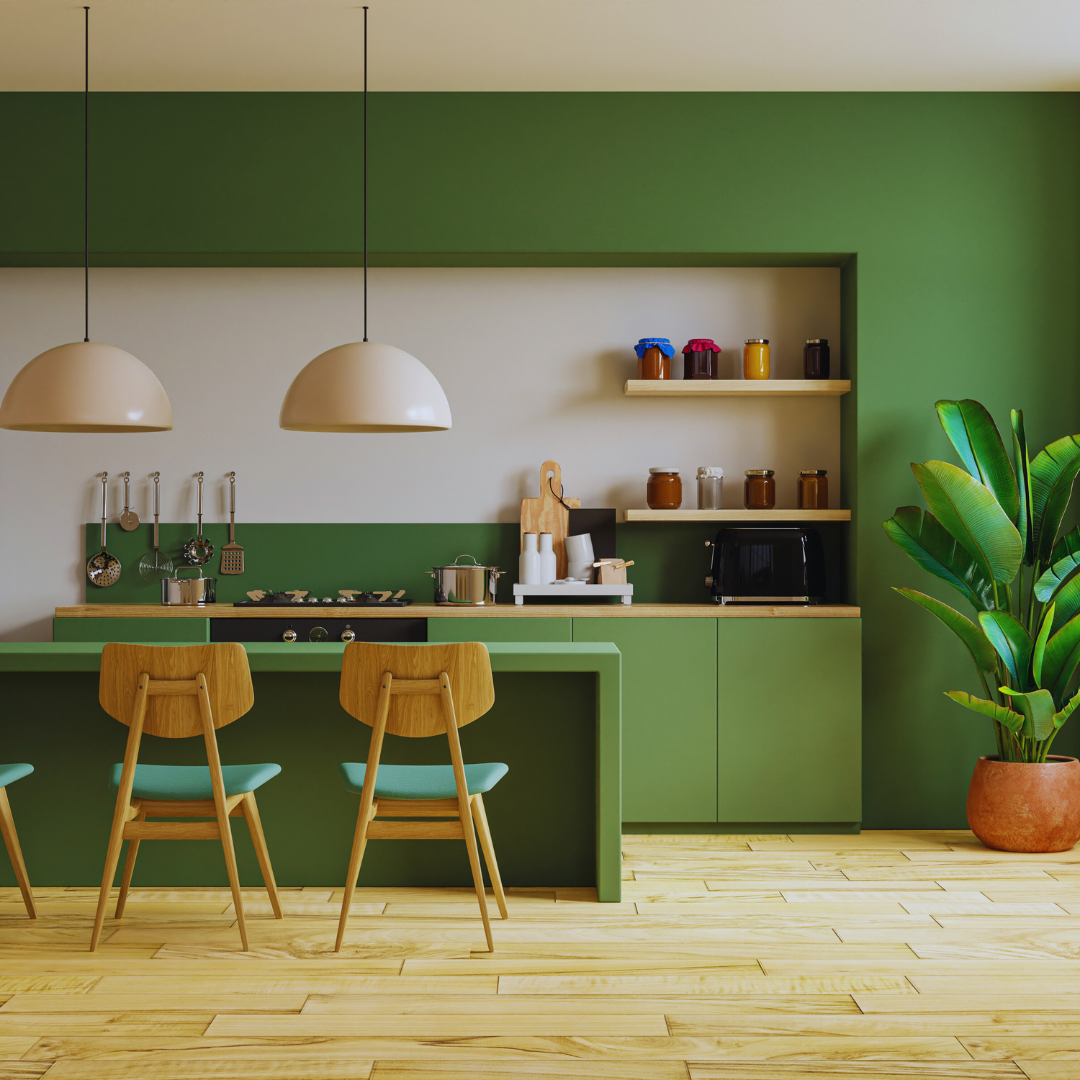

Creating a home that reflects personal style while being kind to the environment is both achievable and rewarding. Eco-friendly decor not only enhances the aesthetic appeal of a space but also promotes sustainability through the use of natural materials, recycled items, and energy-efficient designs. Such choices contribute to a healthier living environment and help reduce one’s carbon footprint.
Many individuals are now seeking innovative ways to incorporate eco-conscious elements into their homes. From selecting furniture made from reclaimed wood to using organic textiles, the possibilities abound. Small changes can make a significant impact, encouraging others to consider their own decor choices.
Exploring eco-friendly decor ideas empowers homeowners to express their creativity while being responsible stewards of the planet. By making informed choices, anyone can create beautiful, sustainable spaces that are both functional and stylish.
Understanding Eco-Friendly Decor
Eco-friendly decor prioritises sustainability and minimal environmental impact. It embraces practices and materials that foster a healthier living environment while reducing waste. The following sections explore key principles and the broader environmental implications of decorating choices.
Principles of Sustainable Interior Design
Sustainable interior design emphasises using materials and methods that are eco-conscious. This includes selecting items made from recycled, reclaimed, or rapidly renewable resources. Examples of such materials include bamboo, reclaimed wood, and recycled metal.
Designers should also consider the lifecycle of products, opting for durable items that require less frequent replacement. Energy-efficient appliances and lighting options contribute to sustainability by reducing energy consumption. Additionally, incorporating plants into decor improves air quality and enhances aesthetic appeal.
By blending aesthetics with functionality, sustainable interior design creates appealing spaces without compromising ecological values.
Environmental Impact of Home Decor
Home decor choices significantly affect the environment. Traditional materials often involve harmful extraction processes, contributing to habitat destruction and pollution. For instance, conventional cotton farming is heavily reliant on pesticides, impacting both soil and water quality.
Moreover, the transportation of decor items contributes to carbon emissions. Choosing locally sourced products can reduce this impact. Eco-friendly paints and furnishings also minimise the off-gassing of toxic chemicals, promoting better indoor air quality.
Implementing sustainable decor not only benefits individual homes but also encourages a broader cultural shift towards environmental responsibility. Adopting these practices fosters healthier living spaces while supporting a more sustainable planet.
Materials and Resources
Selecting the right materials and resources is crucial for creating eco-friendly décor. Focusing on sustainability, recycling, and ethical sourcing can significantly reduce environmental impact.
Choosing Sustainable Materials
Sustainable materials are essential for eco-friendly décor. Options include bamboo, sustainably sourced wood, and organic cotton.
Bamboo: This fast-growing plant sequesters carbon and requires minimal resources to grow. It can be used for furniture, textiles, and accessories.
Sustainability-certified wood: Look for labels like FSC (Forest Stewardship Council) to ensure responsible sourcing.
Organic fabrics: Cotton, linen, and wool free from synthetic chemicals are preferable. They reduce harm to both the environment and human health.
Opting for local materials also minimises carbon footprint and supports local economies.
Recycled and Upcycled Decor Options
Recycled and upcycled items contribute to a circular economy. Seeking products made from post-consumer materials can enhance sustainability in décor.
Recycled glass: Utilised in items like vases and light fixtures, it reduces waste while providing unique aesthetics.
Upcycled furniture: Old furniture can be reimagined with a fresh coat of paint or new upholstery. This not only adds character but also prevents landfill waste.
Creative repurposing: Items like wooden pallets can be transformed into stylish coffee tables or planters.
Incorporating these options encourages creativity while achieving an eco-friendly look.
Sourcing Ethically Produced Items
Ethical sourcing ensures that items are produced responsibly. Consumers should research brands and inquire about their supply chains.
Fair Trade: This certification guarantees fair wages and working conditions. Products like handmade crafts or textiles are often available through Fair Trade networks.
Local artisans: Supporting local artists and craftspeople helps reduce transportation emissions.
Transparency: Brands committed to ethical production typically share their practices openly. This fosters trust and allows consumers to make informed choices.
By prioritising ethically produced items, individuals can ensure their décor choices align with both personal values and ecological sustainability.
Designing with Eco-Friendly Decor
Incorporating eco-friendly decor requires a thoughtful approach to creating spaces that are both beautiful and sustainable. Key considerations involve the use of natural resources, enhancing indoor environments with greenery, and embracing creative DIY projects.
Utilising Natural Light
Natural light is a valuable resource in eco-friendly design. It reduces the need for artificial lighting, thereby minimising energy consumption. Design spaces with large windows, skylights, or glass doors to maximise daylight.
Using reflective surfaces, like mirrors, can also brighten darker areas. Choosing light, neutral colours for walls and furnishings can help to enhance the effect of natural light, making spaces feel larger and more inviting.
Consider the orientation of rooms to take full advantage of sunlight during peak hours. Effective placement of furniture contributes to better light distribution, ensuring every corner of the space benefits from this free resource.
Incorporating Plants and Greenery
Integrating plants into decor can significantly enhance indoor air quality. Plants absorb carbon dioxide and release oxygen, promoting a healthier living environment.
Choosing low-maintenance options such as snake plants or pothos can be ideal for busy individuals. Vertical gardens or hanging planters can also save space while adding an organic touch to any room.
Using reclaimed or sustainable materials for plant pots and stands aligns well with eco-friendly principles. Additionally, selecting native plant species helps support local ecosystems, making this approach beneficial for both the home and the environment.
DIY Decor Projects
Creating DIY decor projects is an excellent way to repurpose materials and express individuality. Upcycling old furniture into new pieces reduces waste, while crafts using natural materials promote sustainability.
For instance, reclaimed wood can be transformed into shelves or tables. Simple sewing projects can breathe new life into old textiles, such as turning a vintage sheet into cushion covers.
This approach also allows for the use of non-toxic paints and finishes, ensuring that all materials are safe for both the home’s inhabitants and the environment. Engaging in these projects fosters a sense of community and creativity, encouraging others to adopt eco-friendly practices.
Maintaining Eco-Friendly Spaces
Creating and maintaining eco-friendly spaces involves selecting the right lighting and using safe cleaning products. These choices contribute to both sustainability and health.
Energy-Efficient Lighting Solutions
Selecting energy-efficient lighting is crucial in maintaining an eco-friendly space. This can include using LED bulbs, which consume significantly less energy compared to traditional incandescent bulbs.
Benefits of LED Lighting:
- Longevity: LEDs last up to 25,000 hours, reducing the need for replacements.
- Lower Energy Bills: Energy savings can be substantial, especially in larger spaces.
- Reduced Heat Emission: LEDs emit less heat, decreasing air conditioning costs.
Homeowners can choose to explore LED lighting Shop Online or go to physical stores. Additionally, installing light dimmers and motion sensors further enhances energy efficiency. Opting for natural light by incorporating windows and skylights can also minimise reliance on artificial lighting during the day.
Non-Toxic Cleaning Regimes
Implementing non-toxic cleaning solutions is essential to maintain a healthy environment. Many conventional cleaning products contain harmful chemicals that can affect indoor air quality.
Recommended Non-Toxic Alternatives:
- Vinegar: Effective as a disinfectant for surfaces and glass.
- Baking Soda: Great for scrubbing surfaces without scratching.
- Castile Soap: Multi-purpose soap suitable for various cleaning tasks.
By using these alternatives, one can reduce toxic exposure and promote a safer home. It’s also beneficial to establish a regular cleaning schedule, which helps maintain the aesthetic appeal while ensuring sustainable practices.