
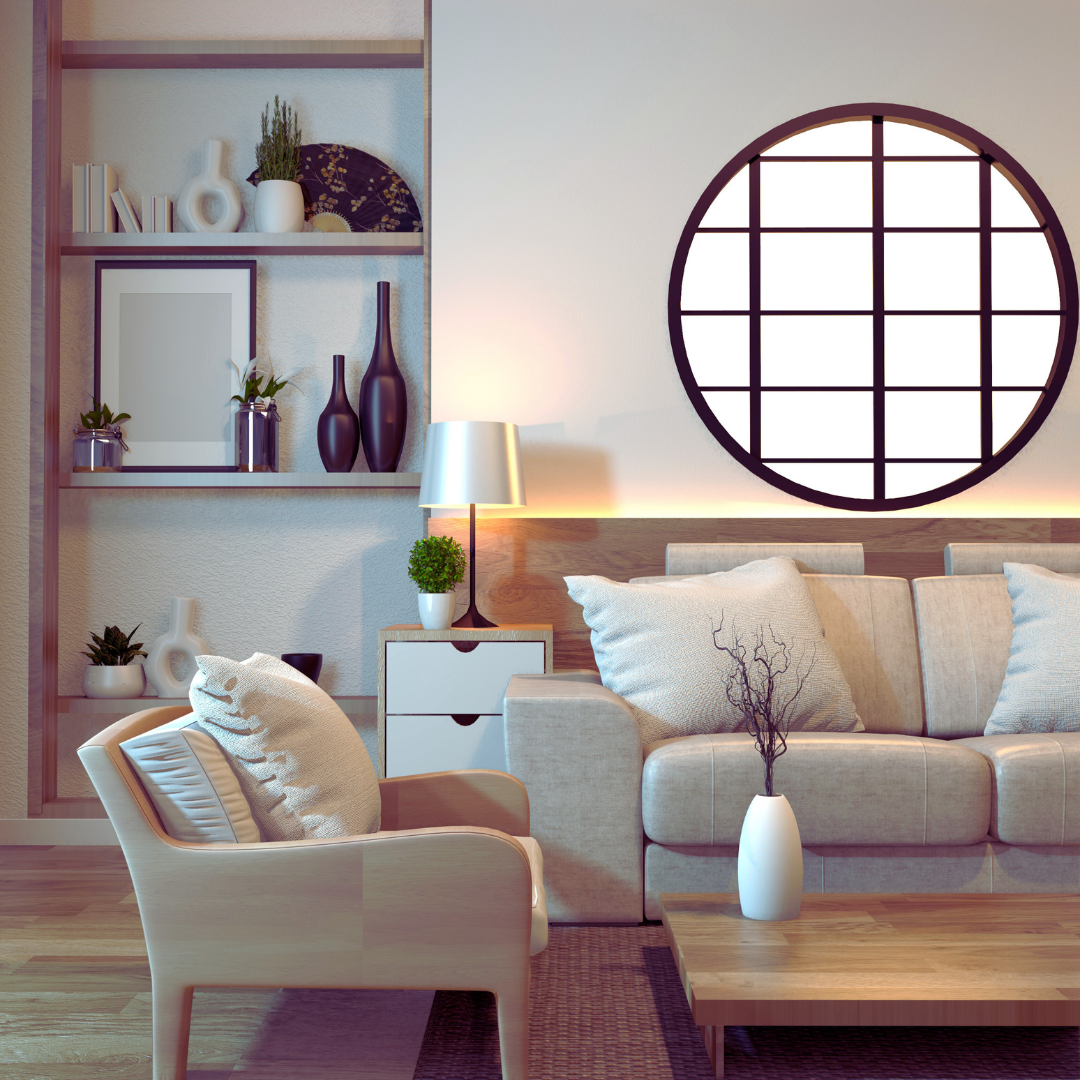

Choosing the right decor style significantly impacts the ambience of a home. Identifying personal taste is essential to selecting an interior design style that resonates with individuality and enhances comfort. Each style, from minimalist to traditional, offers unique characteristics that can transform a space.
Exploring various design styles helps in understanding their core elements. A clear vision of what appeals personally allows for a cohesive plan that reflects personality while maintaining functionality. The journey of selecting the perfect decor is about balancing aesthetics with practicality.
Incorporating elements of favourite styles into home decor creates a harmonious environment. By analysing preferences, one can curate a space that tells a story and feels inviting. The right design style can elevate a home, making it not only visually appealing but also a true reflection of those who inhabit it.
Understanding Interior Design Styles
Choosing an interior design style involves recognising the influences of historical trends, identifying personal preferences, and exploring various popular styles. This understanding enables effective decision-making in creating a cohesive living space.
History and Evolution of Design Styles
Interior design styles have evolved significantly over the centuries. The early design was primarily functional, dictated by available materials. The Industrial Revolution introduced new technologies and materials, sparking movements like Victorian and Art Deco.
Mid-century modern design emerged in the 1940s, defined by clean lines and organic forms. The late 20th century saw the rise of eclectic styles, embracing influences from global cultures, such as Bohemian and Scandinavian.
Contemporary styles reflect current trends, often merging different elements to create unique spaces. Understanding this history allows individuals to appreciate how these styles impact modern interior choices.
Determining Your Personal Aesthetic
Determining a personal aesthetic is crucial in the design process. Individuals should consider their lifestyle, preferences, and the emotions they wish to evoke in their space.
To pinpoint personal tastes, it’s helpful to gather inspiration from various sources. This may include magazines, Pinterest boards, or visiting design showrooms.
Reflecting on favourite colours, patterns, and textures can also clarify one’s style. Techniques like creating mood boards can visualise ideas and streamline the decision-making process. A well-defined aesthetic forms the foundation for selecting appropriate decor.
While these steps are crucial for personal clarity, translating a mood board into a functional and beautiful living space often requires expert knowledge. Professional interior designers tend to possess the skills to refine these initial concepts, ensuring every detail aligns with the homeowner’s vision and practical needs.
They can navigate complex design challenges, source appropriate materials, and manage the renovation process efficiently. Engaging with a reputable id firm can transform abstract ideas into a cohesive and stunning reality, saving time and avoiding costly mistakes.
Exploring Popular Interior Design Styles
Several popular interior design styles cater to a variety of tastes.
- Scandinavian: Focused on simplicity, functionality, and minimalism, this style uses light colours and natural materials.
- Traditional: Incorporates classic elements such as ornate furnishings and rich fabrics, highlighting elegance and timelessness.
- Industrial: Features raw materials, exposed brick, and metal accents, often found in converted loft spaces.
- Bohemian: Celebrates an eclectic mix of patterns, colours, and textures, encouraging individual expression.
- Minimalist: Emphasises simplicity, clean lines, and a lack of clutter, creating a serene environment.
- Mid-century Modern: Characterised by organic shapes and a mix of materials, reflecting a functional yet stylish approach.
- Contemporary: Incorporates the latest trends, blending various styles for a unique aesthetic.
- Farmhouse Style: Combines rustic features with modern elements, often using wood and muted colours.
- Coastal: Inspired by the beach, it uses light palettes and natural textures.
- Modern Farmhouse: Merges farmhouse charm with contemporary design for a fresh, inviting look.
- Japandi: A fusion of Japanese minimalism and Scandinavian functionality, focusing on simplicity and warmth.
- French Country: Emphasises rustic elegance, with distressed furnishings and soft, warm colours.
Exploring these styles helps individuals make informed decisions when selecting decor that resonates with their personal preferences.
Elements That Define a Decor Style
The selection of decor style relies heavily on various elements that shape both aesthetics and functionality. Key areas to consider include comfort, the right colour and material choices, as well as the selection of furniture and architectural features.
Functionality and Comfort
Functionality is paramount in any decor style. A space should not only look appealing but also serve its intended purpose effectively. For instance, a living area designed for relaxation should feature comfortable seating and ample space to move around.
Comfort typically arises from the choice of furniture. Soft fabrics, ergonomic designs, and well-placed accessories work together to create inviting environments. Minimalism, known for its clean lines, requires that every item has a purpose, reducing clutter while enhancing usability.
Colour and Material Palette
The colour and material palette profoundly influences the mood of a space. Each hue carries psychological implications; for example, cool tones promote calmness, while warm shades evoke cheerfulness. Couples often choose a limited palette to maintain cohesion, making spaces feel larger and more welcoming.
Natural materials, such as wood, stone, and cotton, add warmth and texture. Incorporating geometric shapes, whether in patterns or furniture designs, can provide visual interest. Choosing complementary materials boosts the overall aesthetic while balancing durability and style.
Furniture and Architectural Features
Furniture selection is a defining characteristic of any decor style. Pieces must align with the desired theme, whether it’s rustic, modern, or eclectic. For example, an industrial style may include metal accents and reclaimed wood for a robust look.
Architectural features, such as arches or built-in shelves, amplify the visual narrative. These elements can enhance space perception, guiding the eye and creating focal points. The interplay between furniture and architecture helps establish harmony and strengthens the chosen style.
Incorporating Style into Your Home
Incorporating a chosen decor style into a home involves creating a harmonious atmosphere that reflects personal taste. Elements like colour palettes, accessories, and lighting play essential roles in achieving the desired look.
Creating a Cohesive Look
A cohesive look is achieved through careful consideration of colour palettes and design elements. Homeowners should select a primary colour scheme, often incorporating neutral colours for balance. This approach allows for bolder accents without overwhelming the space.
To solidify style, they can create a mood board. This tool helps visualise how various elements fit together. It is practical for mapping out the overall design vision. Each room can follow similar motifs or materials, enhancing continuity throughout the home while still allowing for unique touches.
Selecting the Right Accessories
Accessories are critical in conveying a specific decor style. They should complement the overall design without overpowering it. When choosing accessories, different textures and shapes can add depth.
For instance, a boho style can be enriched with woven rugs and plants, while modern decor might favour minimalist, sleek pieces. Natural lighting plays a pivotal role too; it highlights accessories and textures. Thoughtfully selected artwork and decorative items will further personalise the space, reflecting the homeowner’s individuality.
Mixing and Matching Different Styles
Mixing different styles can create a unique and personalised environment. It begins with anchoring one dominant style, such as organic modern, and layering other influences to enhance it. The key is to maintain a balance.
Incorporating modern decor with vintage finds can give a room character and charm. Homeowners should consider scale and proportion as they select items from various styles. For example, pairing a minimalist sofa with bold, patterned cushions can create interest without clashing. Ultimately, an intentional mix can showcase a homeowner’s personality while ensuring the space remains inviting and functional.