
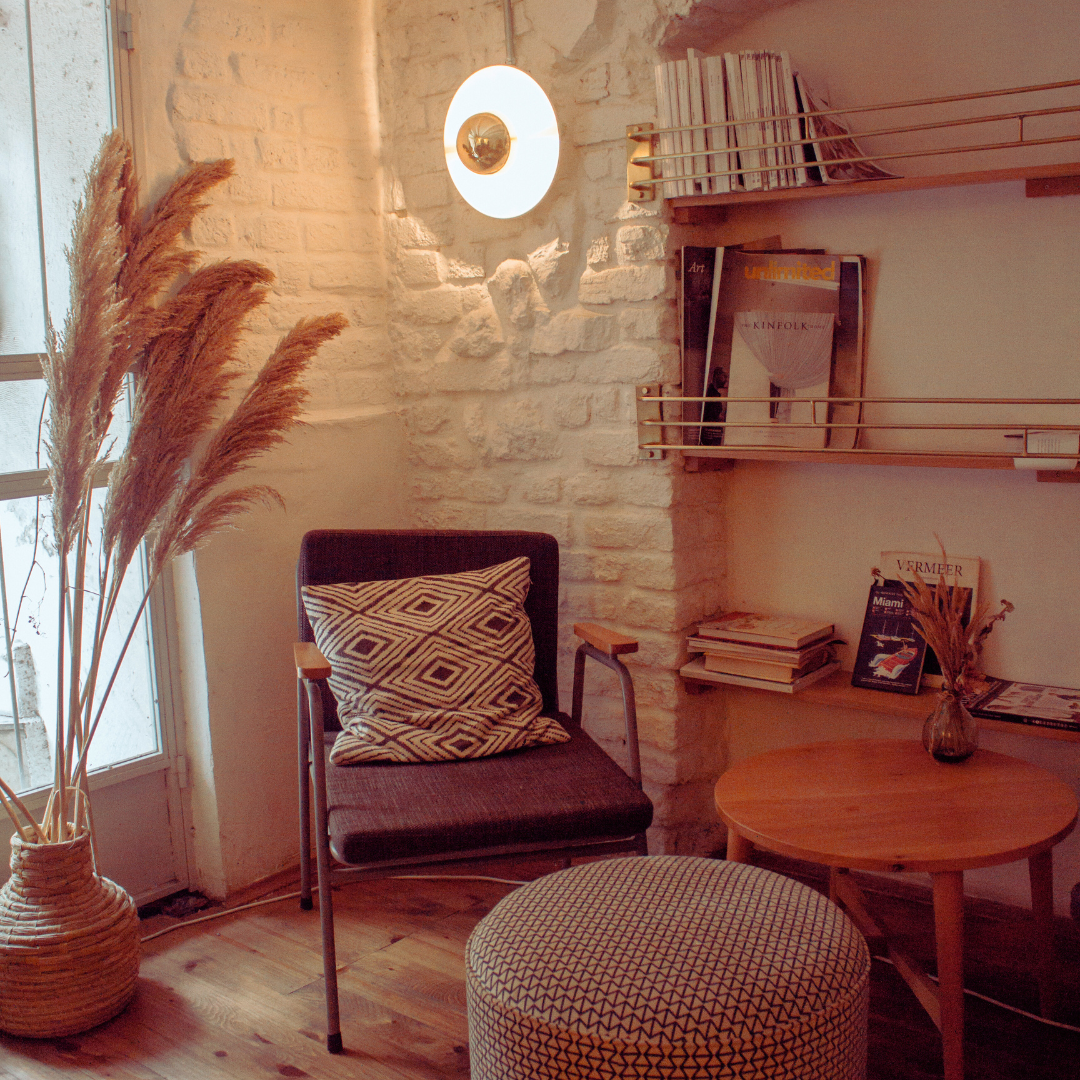

Home decor plays a crucial role in shaping the ambience of a living space. With various interior design styles available, homeowners can express their tastes and create environments that resonate with their lifestyles. Exploring the different home decor styles enables individuals to make informed choices that reflect their aesthetic preferences and functional needs.
From the sleek lines of modern design to the warm textures of rustic decor, each style has its unique characteristics. Eclectic, minimalist, bohemian, and traditional approaches offer diverse ways to interpret everyday living spaces. Understanding these styles will assist readers in selecting elements that harmonise with their vision for their homes.
The interplay of colour, texture, and furniture is essential in manifesting an interior design style. By recognising the key features of each category, individuals can transform their spaces into cohesive, inviting environments that truly feel like home.
Identifying Interior Design Styles
Interior design styles can significantly influence the aesthetics and atmosphere of a space. Recognising the characteristics of various styles helps in making informed choices for home decor.
Traditional Interior Design
Traditional interior design emphasises classic elegance and comfort. It often features rich colour palettes with deep hues like burgundy and navy. The use of solid wood furniture maintains a sense of sophistication.
Natural materials are prevalent, including hardwood floors and wool rugs. Accessories such as ornate mirrors and antique furniture enhance the traditional feel. Styles like Victorian and French Country fall within this category, highlighting intricate detailing and historical elements.
However, it can also be worth exploring modern alternatives that can mimic the natural look of wood. Comparing options such as hardwood vs lvp (luxury vinyl plank) can help you decide which option can best suits your needs in terms of durability and aesthetics. Once you’ve chosen your flooring, you can focus on other design elements to complete the look.
Elements often include symmetrical layouts and traditional artwork, creating a harmonious environment. In these spaces, natural light plays an essential role, illuminating rich textures and elaborate designs.
Modern and Contemporary Styles
Modern home styles are all about clean lines, simplicity, and minimalism. These designs focus on making the most of space and function while creating open, airy environments. The layout of modern and contemporary homes is often spacious and open, with fewer walls to break up the flow between rooms. Companies like Alaia Crossing are helping homeowners bring this vision to life, and ensure that both the layout and aesthetic work together to create homes that feel as comfortable as they are stylish.
When it comes to color, modern design, which originated in the early to mid-20th century, typically uses a neutral palette with bold accent colors to create contrast. Materials like glass, metal, and concrete are commonly featured, adding a sleek and industrial feel to the space.
On the other hand, contemporary design is always evolving, blending elements from different time periods to stay current. One popular influence is mid-century modern, known for its functional, yet stylish pieces and organic shapes. Bauhaus principles also play a role, focusing on balance, simplicity, and making the most of open spaces and natural light to create an inviting, well-balanced environment.
Both styles favour multifunctional furniture and uncluttered environments. They create airy settings, making spaces feel larger and more inviting. Scandinavian design also falls into this realm, emphasising light woods and simplicity.
Cultural and Geographical Influence
Cultural and geographical influences shape many interior design styles, reflecting regional aesthetics and traditions. The Mediterranean design incorporates warm earth tones and textured walls, creating a relaxed atmosphere.
Japanese aesthetics, represented by the Japandi style, fuse minimalism with natural elements. Features include sliding doors and wooden accents, promoting simplicity and functionality.
Bohemian design embraces eclecticism with a mix of patterns, colours, and textures. It often uses vintage and globally sourced pieces to create a unique personality. This style encourages personal expression through decor and accessories.
Cultural designs are rich with history and tradition, offering diverse options for home decor that resonate with individual identities.
Eclectic and Themed Design
Eclectic design thrives on the combination of various styles and influences, allowing for creativity and personal expression. This style may incorporate elements from traditional, contemporary, and cultural decor, resulting in a unique blend.
A Boho style often figures prominently in eclectic designs, featuring vibrant colours, textiles, and personal artefacts. It encourages mixing vintage and modern items, creating a relaxed yet curated feel.
Themed designs can revolve around specific cultures or ideas, such as Hollywood Regency, which merges glamour with bold patterns. These spaces often include luxurious fabrics and metallic accents. People can visit sites like www.scandicliving.com.au to conect with designors who have studied specific cultural themes to elevate your interior design.
The eclectic design allows homeowners to blend favourite elements, crafting a space that tells a story and reflects individual taste.
Core Elements of Interior Design
Interior design comprises several core elements that significantly impact a space’s functionality and aesthetic appeal. This includes an effective use of space, a thoughtful selection of furnishings, and a careful approach to lighting and colour schemes.
Utilising Space and Layout
Maximising space through thoughtful layout is crucial in interior design. Open floor plans can enhance natural light and promote flow, making areas feel larger and more interconnected. It is essential to consider traffic patterns to ensure ease of movement.
In smaller spaces, utilising multifunctional furniture can create efficiency. For example, a storage ottoman can provide both seating and storage. The concept of feng shui can further optimise layout, promoting harmony through proper arrangement and positioning of furniture.
Selected Furniture and Materials
Furniture selection plays a vital role in defining a home’s style. Choosing pieces like the iconic Eames lounge chair reflects midcentury design while balancing comfort and aesthetics. Solid wood materials can add warmth and character to a space.
In minimalism, the focus is on fewer, carefully chosen items that serve functional purposes. Conversely, the bohemian style embraces a mix of patterns, textures, and colours for a more eclectic look. It’s important for the selected furnishings to align with the overall design theme to create a cohesive environment.
Lighting and Colour Schemes
Effective lighting enhances the mood and speaks to the colour palette of a space. Natural light is highly desirable, so incorporating large windows or light-coloured curtains can optimise brightness. Many homeowners also explore architectural additions that naturally amplify light and space-such as florida rooms, which offer a sun-drenched transitional space between indoors and out. These bright, open areas not only enhance the feeling of spaciousness but also serve as a versatile design feature that can be styled to suit various decor aesthetics.
Ambient, task, and accent lighting should also be considered to create layered illumination. The choice of colour greatly impacts the atmosphere. Soft, neutral tones promote a hygge vibe, fostering comfort and relaxation. In contrast, bolder colours can energise a space. Selecting an appropriate colour scheme is essential in shaping the overall aesthetic of the interior design.
Home Decor and Accessorising
Decorating a home involves making thoughtful choices about decorative elements and adopting a lifestyle approach that reflects personal preferences. This section focuses on how to effectively select accessories and align them to a chosen decor style.
Choosing Decorative Elements
Selecting the right decorative elements can significantly enhance the aesthetic of a home. Accessories should complement the overarching decor style, whether it is farmhouse, industrial, or Scandinavian.
- Farmhouse Style: Use vintage pieces, neutral tones, and natural materials. Items like rustic wood accents and handmade ceramics add warmth.
- Industrial Style: Incorporate metal elements, exposed pipes, and furniture with a reclaimed look. Accessories like wire baskets and aged leather can be effective.
- Modern Bohemian: Opt for eclectic patterns, textures, and bold colours. Layering rugs and adding greenery create a vibrant atmosphere.
- Art Deco: Choose geometric shapes, luxurious materials, and bold colours. Decorative mirrors and ornate lighting fixtures can accentuate this style.
Understanding the character of each style helps in making harmonious choices.
Adopting a Lifestyle Approach
A lifestyle approach to home decor integrates personal values and daily habits into the design. It involves curating spaces that enhance comfort and aesthetic appeal.
For instance, the Hygge principle emphasises cosiness, encouraging the use of soft textiles, warm lighting, and inviting furniture arrangements.
In contrast, Feng Shui focuses on energy flow and harmony. Arranging furniture to facilitate movement can create a more balanced living environment.
The maximalist decor invites creativity by combining varied styles and colours. This approach allows for self-expression through diverse decor items, while mid-century and organic modern styles promote simplicity and a connection to nature.
Individuals should reflect on their lifestyle when choosing how to accessorise, ensuring that every piece serves both function and form.
Balancing Aesthetics and Functionality
Achieving a balance between aesthetics and functionality is crucial in home decor. This involves selecting styles and designs that not only look appealing but also serve practical purposes. Two key aspects of this balance include minimalism’s focus on efficiency and the evolution of design through various eras.
Minimalism and Efficiency
Minimalism prioritises simplicity and functionality, often employing open spaces and uncluttered surfaces. The essence of minimalist interior design is to create an environment that promotes peace and clarity.
Key elements of minimalism include:
- Neutral Colours: Shades like white, grey, and beige help to create a calming atmosphere.
- Functional Furniture: Pieces such as multi-purpose storage solutions or sleek sofas enhance both style and usability.
- Natural Light: Maximising natural light can make spaces feel larger and more inviting.
Embracing a minimalist approach also aligns with eco-friendly practices, as fewer items reduce waste and consumption. This design philosophy aligns well with the coastal style, which emphasises airy spaces and natural materials.
Transitioning through Design Eras
Design eras reflect changing tastes and lifestyles, influencing how spaces are decorated. Each era introduces distinct aesthetics while often intermingling styles, leading to a transitional design.
The transitional decor combines modern and traditional elements, creating a seamless flow. This approach allows for personal expression while maintaining functionality. Characteristics often include:
- Mixed Textures: The use of varied materials enhances visual interest.
- Classic Lines with Modern Twists: Furniture pieces might offer traditional silhouettes paired with contemporary finishes.
- Eclectic Accessories: Incorporating items from different periods adds character without overwhelming the space.
As design preferences shift, understanding the historical context behind styles, such as Japandi, which merges Japanese and Scandinavian aesthetics, can guide effective decor choices. Balancing aesthetics and functionality enables individuals to create spaces that are both stylish and practical.