
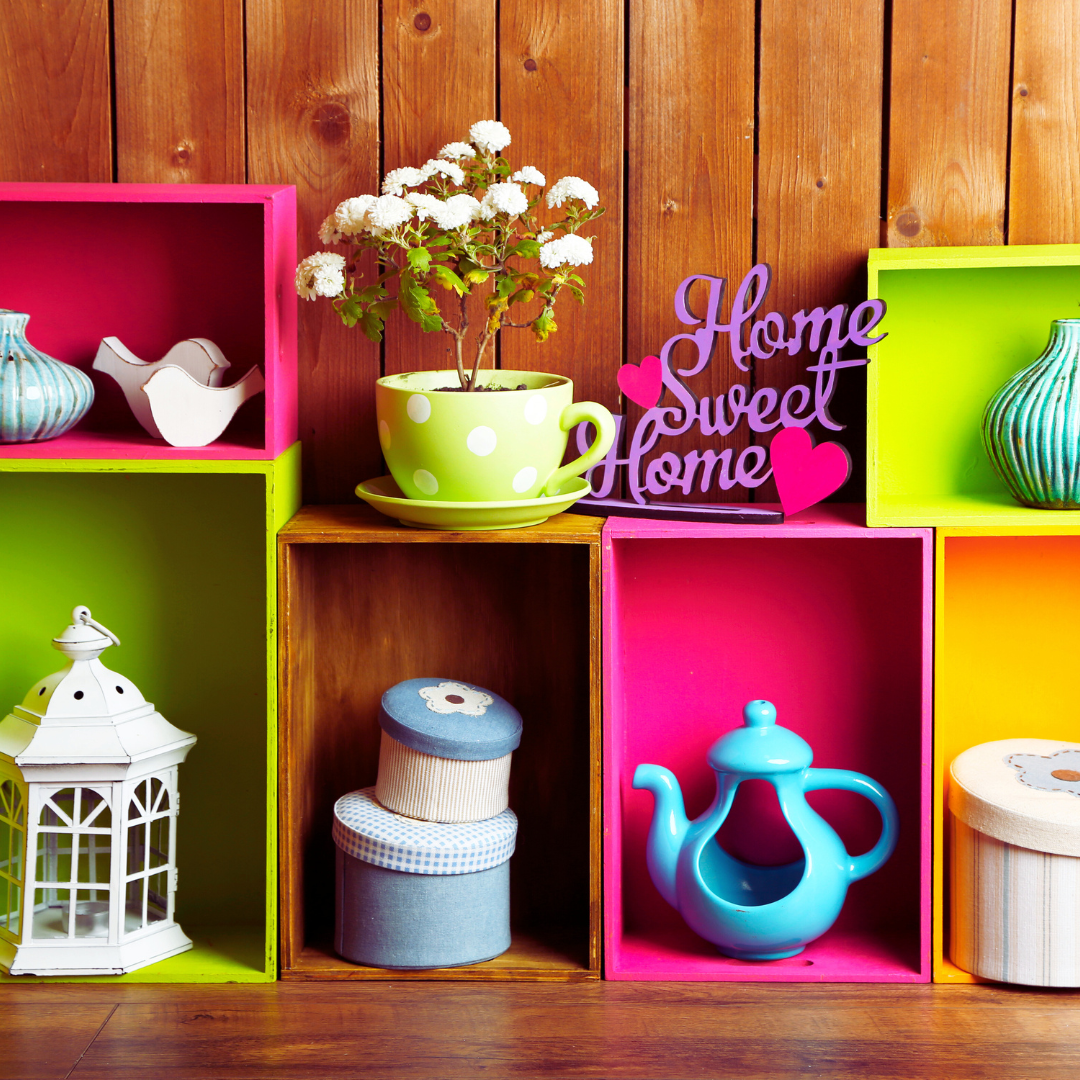

The influence of colour in home décor extends beyond mere aesthetics; it plays a vital role in shaping mood and functionality within spaces. Choosing the right colours can enhance a room’s ambience, making it feel more welcoming or energising, depending on the desired effect. This aspect of interior design is crucial for anyone looking to create a harmonious living environment.
Different colours bear specific emotional meanings and can evoke various feelings. For instance, blues and greens often promote a sense of calm, while yellows can stimulate happiness and creativity. By understanding these associations, individuals can curate their spaces to reflect personal taste and enhance well-being.
Incorporating colour thoughtfully can also influence the perception of space. Lighter shades can make a room appear larger and more open, while darker hues can provide intimacy. Through strategic colour selection, a home can be transformed into a sanctuary that resonates with its inhabitants.
The Science of Colour Psychology
Colour psychology examines how different hues can impact emotions and behaviours. Understanding this can guide choices in home décor to create desired atmospheres, enhancing well-being and tranquillity.
How Colour Influences Mood and Tranquility
Research indicates that specific colours can evoke particular moods. For instance, blue often elicits feelings of calmness and serenity, while red can create a sense of energy or excitement. Green is linked to nature and renewal, promoting tranquillity and relaxation.
When designing a space, it is essential to consider how these colours will affect the inhabitants’ mood. The choice of paint or furnishings can directly influence stress levels and emotional well-being. Environments featuring cool colours generally foster a sense of peace, while warm shades can stimulate social interaction.
Colour Associations and Well-Being
Different cultures have varied associations with colours. For example, yellow is frequently associated with happiness and optimism, whereas purple can represent luxury and creativity. These associations can significantly impact an individual’s subjective well-being.
In-home décor, selecting colours that resonate with personal positive associations can enhance emotional health. Creating personalised spaces using specific colours can encourage comfort and happiness. When individuals feel good in their environments, their overall quality of life improves.
Integrating Colour in Home Décor
Incorporating colour into home décor can significantly influence mood and ambience. A careful selection of hues can evoke emotions such as happiness and calm. This section explores methods to effectively integrate colour in home spaces.
Selecting a Colour Scheme for Happiness
Choosing a colour scheme can greatly enhance feelings of happiness within a home. Warm colours, such as yellows and oranges, are known to create an inviting and uplifting atmosphere. Here are some tips for selecting a cheerful palette:
- Accent Walls: Paint one wall in a bright colour to create a focal point.
- Colour Combinations: Use combinations like yellow and grey for a modern yet cheerful feel.
- Textiles and Accessories: Incorporate colourful cushions and artwork to add vibrancy without overwhelming the space.
Creating a balance is essential. Too much brightness can lead to overstimulation, so moderation is key.
Using Colour to Create a Sense of Calmness
Calmness in home décor can be achieved through the use of cool and muted colours. Shades of blue, green, and soft neutrals help foster a peaceful environment. Consider the following approaches:
- Lighter Shades: Opt for light blue or pale green walls to promote relaxation.
- Natural Elements: Integrate earthy tones, like terracotta or soft browns, in furnishings to connect with nature.
- Layering Textures: Combine colours with varied textures for depth while maintaining serenity.
Ultimately, the strategic use of colour can transform a space into a tranquil retreat, enhancing overall well-being.
Practical Considerations and Tips
Choosing colours for home décor involves more than mere aesthetics; it requires a thoughtful approach to functionality and maintenance. Here are essential tips to guide this process.
Balancing Aesthetics and Functionality
Selecting colour schemes should consider both beauty and purpose. For example, in high-traffic areas like hallways or kitchens, darker shades can mask dirt and wear without compromising style.
In contrast, living rooms may benefit from lighter tones that create a sense of openness and warmth.
A palette should also align with the intended mood of the space. Warm colours promote comfort, while cool colours can inspire calmness. A balanced approach that harmonises personal taste with practicality ensures a cohesive look throughout the home.
Maintenance and Longevity of Colours
The longevity of colours depends on material choice and exposure to elements. For instance, fabrics and paint can fade when exposed to direct sunlight.
Selecting durable, fade-resistant materials enhances colour retention. Additionally, deeper colours may require less frequent cleaning than lighter ones, which can show stains more easily.
Regular maintenance like dusting and spot-cleaning will preserve vibrancy. Consider washable fabrics for upholstery and finishes that withstand wear for long-lasting appeal. Prioritising these factors ensures the chosen colours remain fresh and appealing over time.