
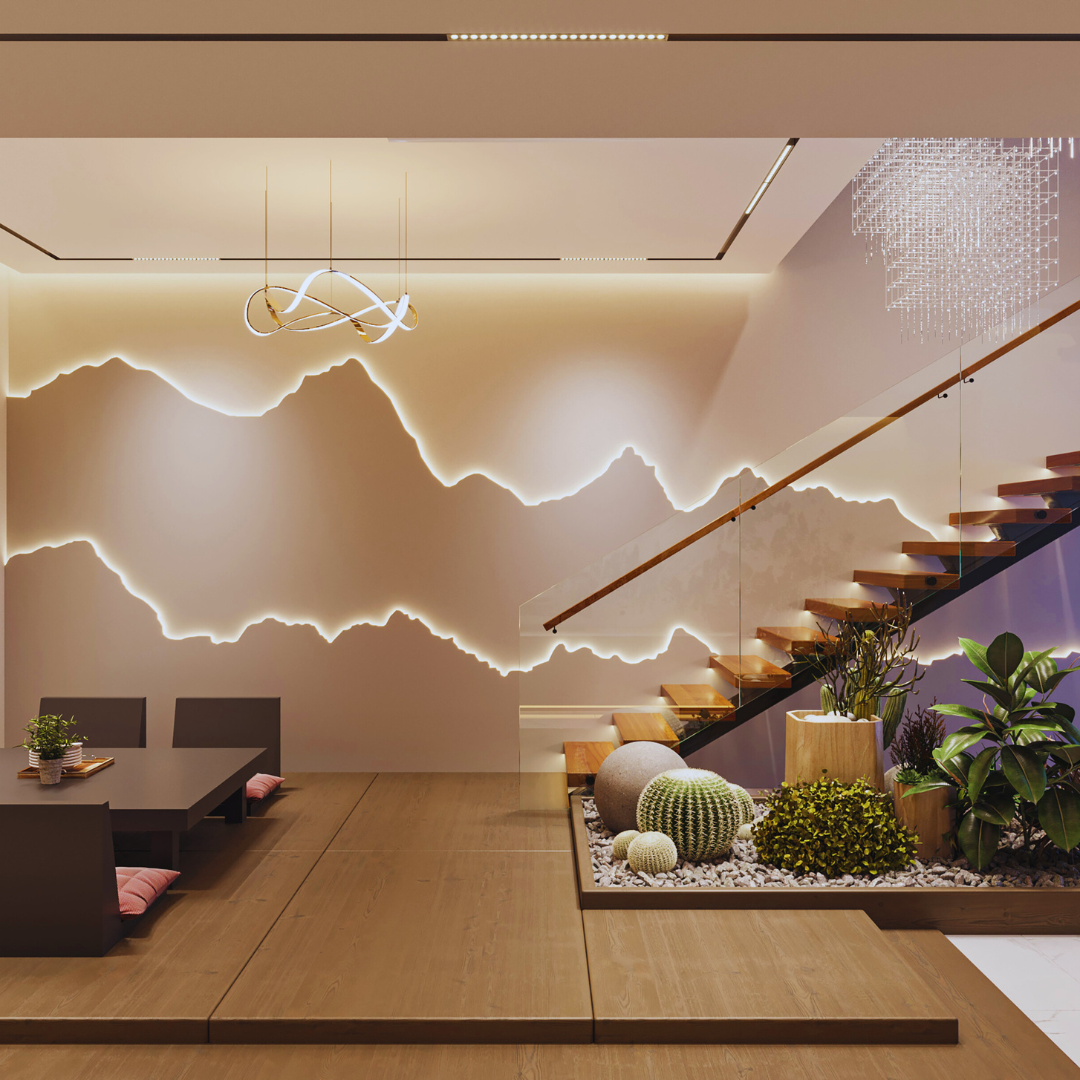

Lighting plays a crucial role in shaping the aesthetics of interior spaces. It enhances colour, adds depth, and influences the overall mood of a room. The right lighting can transform a mundane space into an inviting and visually appealing environment.
Different types of lighting-ambient, task, and accent-serve unique purposes in interior design. By strategically layering these lighting types, individuals can create stunning visual effects that highlight architectural features and décor. The interplay between light and shadow can significantly impact the perception of space, making rooms feel larger or cosier. Speaking with electrician services Jacksonville FL, or similar within your location, will help you to install the lighting that you want in a safe manner. Enhancing your interior starts with the experts, so pick wisely.
Understanding the psychological effects of lighting can also help in curating a specific atmosphere. Warm tones may evoke comfort, while cooler hues can promote focus and clarity. By harnessing the power of lighting, anyone can elevate their interior aesthetics to new heights.
Fundamentals of Lighting in Interior Design
Effective lighting design is crucial in enhancing interior aesthetics. It encompasses various types of lighting that contribute to the overall ambience, functionality, and visual appeal of a space.
Roles of Ambient, Task, and Accent Lighting
Lighting in interior design can be categorised into three primary types: ambient, task, and accent lighting.
- Ambient Lighting provides the general illumination needed to navigate a space. It sets the initial mood and can be achieved through ceiling fixtures or large windows that allow natural light in.
- Task Lighting focuses on specific areas where activities occur, such as reading, cooking, or studying. Examples include desk lamps, under-cabinet lights in kitchens, and wall sconces for reading areas.
- Accent Lighting highlights particular features or objects within a room, such as artwork or architectural details. It adds depth and character, often created with spotlights or LED strips.
Together, these layers of light work harmoniously to create a balanced environment.
Influence of Colour Temperature and Natural Light
Colour temperature significantly affects the perception of a room. Measured in Kelvin, it determines whether a light source appears warm or cool.
- Warm light (approximately 2700K-3000K) creates a cosy, inviting atmosphere and is often preferred in bedrooms and living spaces.
- Cool light (above 4000K) is more energising and suits workspaces or kitchens.
Natural light also plays a vital role in interior aesthetics. It not only enhances colour perception but can also influence mood and well-being.
Incorporating large windows and strategically placed mirrors can maximise daylight, reducing reliance on artificial lighting during the day. Together, colour temperature and natural lighting contribute to a well-rounded lighting design, enhancing the overall aesthetic of interior spaces.
Psychological Impacts of Lighting on Mood and Atmosphere
Lighting plays a crucial role in shaping the mood and atmosphere of an interior space. Its effects can significantly influence an individual’s emotional state and overall well-being.
Creating Emotional Ambiance with Light
Different types of lighting can evoke distinct emotional responses. Warm lighting, such as soft yellows and oranges, tends to create a sense of comfort and relaxation. In contrast, cooler lighting, like shades of blue and white, can enhance alertness and focus.
The arrangement and intensity of the light also affect the ambience. Dimmers provide the flexibility to adjust brightness, allowing for a more tailored experience that fits various occasions. Incorporating mood lighting through lamps and accent lights can further enhance aesthetics while promoting desired emotions.
Additionally, strategically placed lighting can highlight architectural features, artwork, or textiles, adding depth and character to the space.
Lighting’s Effect on Well-Being and Productivity
Research indicates that proper lighting contributes to overall well-being and productivity. Natural light exposure aligns with circadian rhythms, helping improve mood and regulate sleep patterns. Even in spaces without direct access to sunlight, there are effective ways to introduce natural light indoors. A sun tube, for instance, can capture daylight from the roof and channel it into interior rooms through a reflective tunnel. Such innovative solutions can bring the benefits of natural light to otherwise dim or enclosed areas.
In workspaces, bright lighting can enhance focus and efficiency, reducing eye strain and fatigue. Conversely, inadequate lighting can lead to feelings of fatigue and decreased motivation.
Balancing functionality with aesthetics is essential. For instance, combining task lighting for work areas with ambient lighting for relaxation zones ensures that spaces serve their intended purpose without sacrificing comfort. Incorporating these elements thoughtfully can lead to a more harmonious interior environment.
Design Strategies for Aesthetic and Functional Lighting
Effective lighting design entails more than merely illuminating a space. It involves creating a harmonious interplay between aesthetics and functionality by accentuating architectural features, promoting visibility, and integrating advanced technology.
Enhancing Architectural Features and Focal Points
Architectural lighting plays a crucial role in highlighting a building’s distinctive elements. By using accent lighting, it draws attention to features like columns, archways, or texture in building materials. This creates a sense of clarity and depth, enhancing the overall perception of the space.
Incorporating fixtures such as spotlights or wall washers can help focus light precisely where it is needed. This not only emphasises focal points but also adds layers of visual interest, allowing each aspect of the interior to shine. Proper placement of these lights increases visibility and creates an inviting atmosphere.
Layered Lighting and Visual Interest
A layered lighting scheme involves the strategic combination of ambient, task, and accent lighting. This method adds depth and warmth to interiors, making spaces feel more dynamic. Ambient lighting sets the overall mood, while task lighting serves functional purposes in areas like kitchens or workspaces.
Accent lighting can showcase art or architectural details, creating a focal point that enhances the room’s character. The interplay between these different lighting types fosters a visually interesting environment, allowing occupants to experience the space in diverse ways throughout the day.
Smart Lighting Systems for Adaptability
Smart lighting systems exemplify modern adaptability in lighting design. These systems allow for control over intensity, colour, and timing, enabling users to tailor the lighting to specific needs and moods. For instance, lights can be dimmed during evenings or adjusted to warmer tones for relaxation.
Furthermore, smart technology can integrate with other home systems, providing seamless interaction and enhanced user experience. This adaptability improves functionality while preserving aesthetic appeal, ensuring that spaces remain inviting and versatile. Integration of smart features can redefine how interior lighting supports daily activities.
Technological Advancements and Sustainability in Lighting
Recent innovations in lighting technology focus on enhancing energy efficiency while meeting aesthetic demands. The shift towards sustainable lighting solutions is transforming how spaces are illuminated, integrating functionality with design.
LED Technology and Energy Efficiency
LED technology leads the way in energy-efficient lighting solutions. Unlike traditional bulbs, LED lights consume significantly less energy, reducing electricity costs and carbon footprints. These lights can provide excellent brightness and illumination, making them ideal for various applications.
LEDs have a longer lifespan, often exceeding 25,000 hours compared to incandescent bulbs. This durability decreases the frequency of replacements, contributing to less waste. Dimmable LED options allow users to adjust brightness, enhancing comfort and further conserving energy.
Innovations in Interior Lighting Fixtures
Modern lighting fixtures reflect a commitment to sustainability, utilising advanced designs and materials. Track lighting and recessed lighting are popular choices, offering versatility in directing illumination to specific areas.
Smart lighting systems now integrate with home automation, allowing for seamless control over the environment and energy usage. These innovations ensure that spaces remain adaptable and pleasing while promoting sustainable practices. Additionally, the use of eco-friendly materials in fixtures supports the overall ethos of sustainable design.