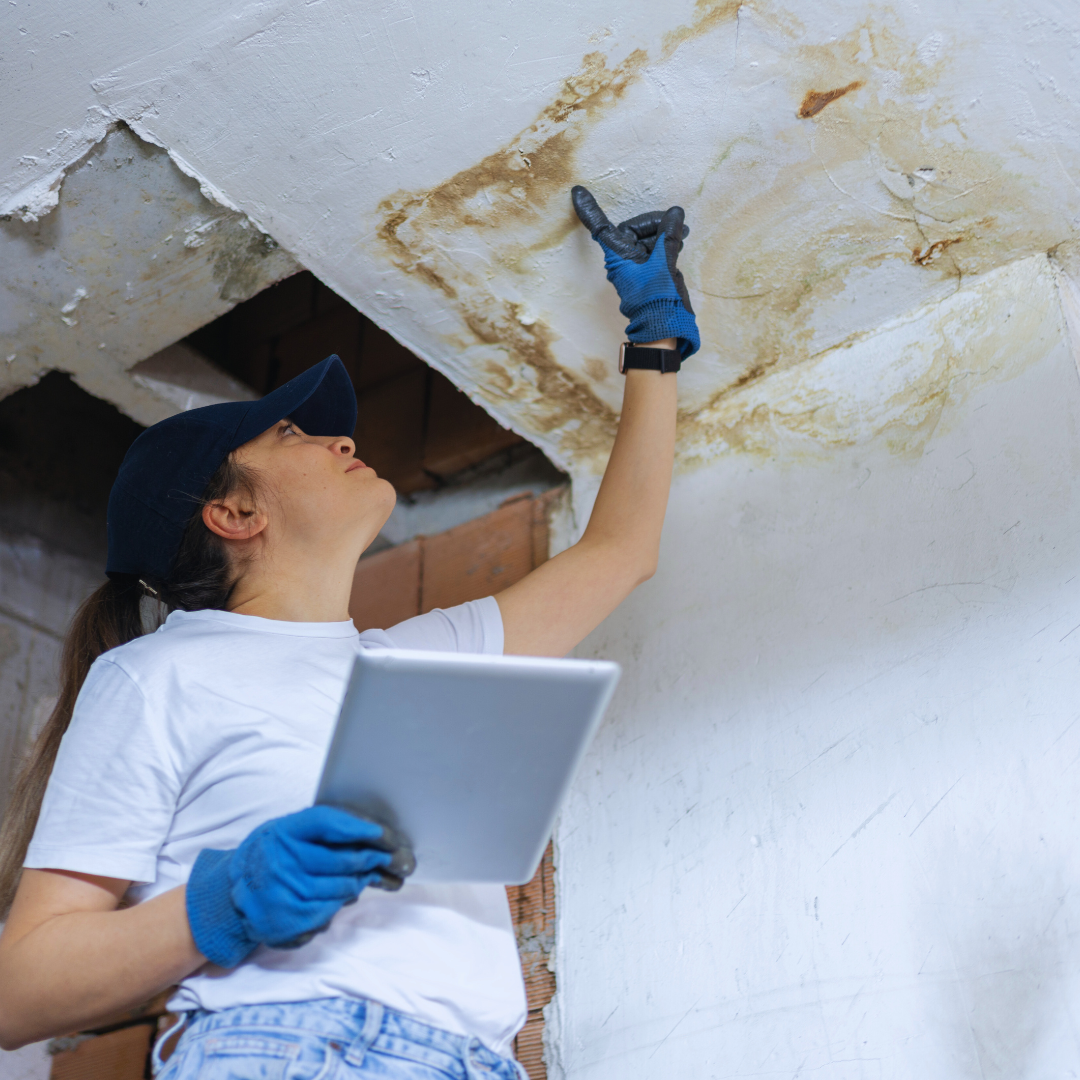

Water damage can lead to costly repairs and significant disruption in any household. Homeowners should be proactive in prevention to preserve their property and avoid extensive financial burdens. Identifying potential risks and addressing signs of water damage early can safeguard a home and maintain its value.
Regular maintenance tasks, such as inspecting roofs, gutters, and plumbing systems, play a crucial role in preventing leaks and other water-related issues. By staying vigilant and understanding the common signs of water damage, such as discolouration on walls or warped flooring, individuals can take timely action. This proactive approach not only protects the home but also provides peace of mind.
In this article, essential strategies to prevent water damage will be discussed. From routine inspections to proper drainage systems, readers will discover practical tips that can save time and money in the long run. Understanding these methods is vital for maintaining a safe and healthy living environment.
Understanding Water Damage
Water damage can occur through various means and can have significant consequences on a home. Identifying the common causes and recognising the effects is essential for effective prevention and mitigation.
Common Causes of Water Damage
There are several typical sources of water damage that homeowners should watch for:
- Hidden Leaks: These can develop in plumbing systems, walls, or ceilings, often going unnoticed until significant damage has occurred.
- Appliances: Washing machines, dishwashers, and refrigerators can leak if hoses wear out or if seals fail.
- Gutters: Clogged or improperly functioning gutters can lead to water overflow, resulting in dampness around foundations.
- Flooding: Heavy rainfall or poor drainage can cause flooding, which may overwhelm any safeguards in place.
Being vigilant about these common issues can help mitigate risks related to water damage in the home.
Effects of Water Damage
Water damage can lead to a variety of serious issues:
- Structural Damage: Prolonged moisture exposure can weaken structural components such as joists and beams.
- Mould Growth: Moisture provides an ideal environment for mould, which can lead to health issues and further property damage.
- Flaking Paint: Excess moisture can cause paint to bubble or flake, requiring extensive repairs.
- Dampness and Moisture Issues: Persistent damp can result in unpleasant odours and create an unhealthy living environment.
Promptly addressing water damage can help preserve the integrity of the home and protect its inhabitants.
Protective Measures for Your Home
Implementing protective measures is essential for preventing water damage. Regular maintenance, proper insulation, and effective leak prevention techniques can significantly reduce the risk of costly repairs.
Regular Maintenance and Inspections
Regular maintenance is crucial for identifying potential issues before they escalate. Homeowners should conduct inspections of plumbing and roofing systems at least twice a year.
- Look for signs of wear or damage, such as:
- Cracked roofs
- Rusty flashing
- Leaky taps
Cleaning gutters is another vital task. Blocked gutters can cause water to overflow and seep into the foundation.
Using a dehumidifier can help regulate moisture levels in damp areas like basements. Regular checks ensure water damage is detected promptly, allowing for timely repairs.
Waterproofing and Insulation
Waterproofing and proper insulation can protect homes from water intrusion. Application of waterproof membrane systems on foundations is recommended.
Insulating water pipes can help prevent freezing and bursting during winter. Homeowners should focus on basements and crawl spaces where water can accumulate.
Using waterproof coatings on exterior walls also creates an additional barrier.
Utilising a leak detection system can monitor for moisture accumulation in vulnerable areas. These systems can alert homeowners of potential issues before they cause extensive damage.
Leak Prevention Techniques
Implementing effective leak prevention techniques safeguards against unexpected water damage. Homeowners should install stopcocks to control water flow in emergencies.
Regularly checking for leaky taps and faucets is important. Even minor leaks can lead to significant water loss over time.
Encouraging proper drainage around the property prevents water from pooling near the foundation.
For added protection, consider using a sump pump in basements prone to flooding. With these methods, homes can remain secure against water damage.
Emergency Response to Water Incidents
When a water incident occurs, prompt action is vital to mitigate damage and ensure safety. The following strategies outline immediate steps and long-term recovery measures.
Immediate Actions to Control Damage
Immediately assess the source of water. If it’s due to a burst pipe, turn off the stopcock to halt the flow. For minor leaks, use towels or buckets to contain water.
If the issue involves flooding, power off electricity in affected areas to prevent hazards.
A sump pump can help remove accumulated water in basements, while ensuring gutters are clear may prevent further problems. Responding quickly can reduce moisture and limit damage to walls and flooring.
Do not ignore the presence of damp or condensation, as this can lead to mould growth.
Long-Term Recovery Strategies
After immediate threats are controlled, focus on drying the area. Use fans and dehumidifiers to reduce humidity levels.
Inspect walls and furniture for signs of damp.
If the property remains damp, replace damaged materials to prevent further issues.
Address the underlying causes, such as installing better drainage systems or repairing clogged gutters.
If pipes froze, consider insulation improvements to prevent future incidents.
Regular maintenance checks can identify potential leaks early. Monitoring for moisture will help keep the home safe from future damage.
While these steps are crucial for initial mitigation, extensive water damage, especially from floods or burst pipes, often requires professional intervention to ensure complete restoration and prevent secondary issues like mold growth.
Specialized restoration companies possess the advanced equipment and certified expertise to thoroughly dry affected areas, remove contaminated materials, and reconstruct damaged structures. They can also address fire and smoke damage, as well as complex mold infestations, which demand precise protocols for safe and effective cleanup.
For comprehensive property recovery and peace of mind, engaging experts from companies like Restoration 1 can ensure that homes and businesses are returned to their pre-damage condition efficiently and safely, often coordinating directly with insurance providers.
Maintaining Water Systems and Utilities
Proper maintenance of water systems and utilities is crucial in preventing water damage in the home. By focusing on the drainage and sewage systems as well as the upkeep of HVAC and appliances, homeowners can significantly reduce the risk of leaks and other issues.
Drainage and Sewage System Care
Regular upkeep of the drainage and sewage systems is essential. Homeowners should inspect gutters and downspouts monthly. Keeping these free of debris allows water to flow freely away from the house.
They should also examine the connections to the drainage system for signs of wear or leaks. Plumbing leaks can lead to water pooling in basements or around foundations.
To minimise potential problems, it is wise to schedule professional inspections every couple of years. This helps catch any issues before they escalate. Ensuring that the drainage systems are adequately maintained prevents excess water from accumulating.
HVAC and Appliance Upkeep
Maintaining HVAC systems and appliances is key to preventing water damage. Regular maintenance of HVAC systems helps avoid condensation and leaks. Such maintenance activities can be undertaken with the assistance of professionals from companies like Rockwall Electric Heating and Air. These experts tend to identify potential issues early and perform necessary repairs or adjustments to keep systems running efficiently.
Additionally, homeowners should clean or replace filters at recommended intervals to maintain efficiency. It’s advisable to have a technician inspect the system annually in order to prevent major issues.
Appliances like washing machines and dishwashers should be regularly checked for plumbing leaks. Homeowners must inspect hoses for wear and ensure connections are secure.
It’s also helpful to have a water alarm installed near these appliances. This early warning system can alert homeowners to leaks before they cause significant damage.