
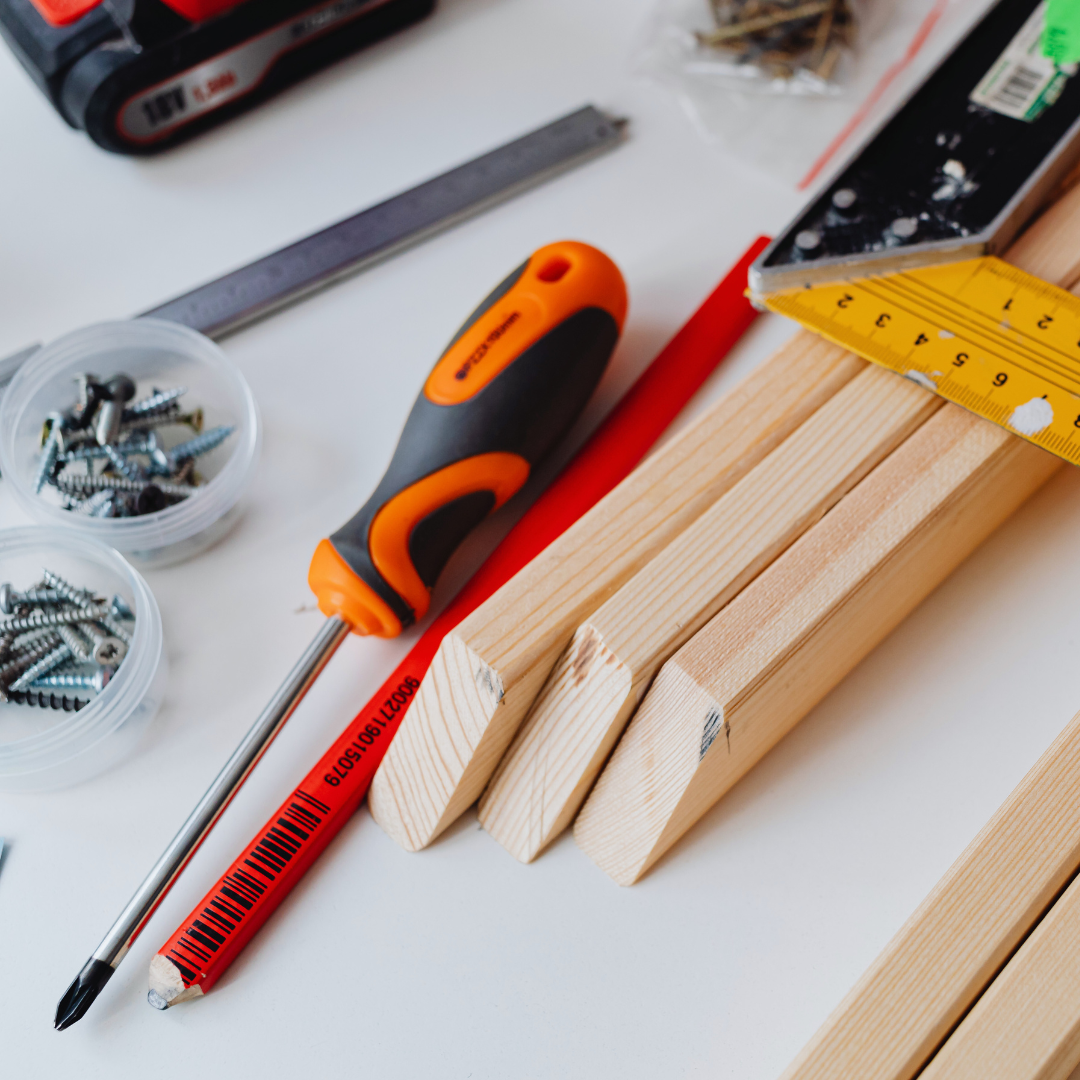

Every home benefits from having a reliable set of basic tools for common repairs and maintenance. A well-equipped toolkit typically includes a hammer, screwdrivers, pliers, a tape measure, and a spirit level, as these tools handle the majority of everyday tasks. These essentials make it easier to tackle small jobs without delay or extra expense.
People often underestimate how versatile a few quality tools can be, from fixing a loose door hinge to assembling furniture. Having these tools on hand saves time and prevents minor issues from worsening.
Knowing which tools are fundamental allows anyone to build a practical toolkit tailored to their home’s needs. This article will explain which tools belong in every home repair kit and why they are indispensable.
Core Home Repair Tools for Every Toolkit
A practical home repair toolkit requires specific hand tools that cover the most common tasks. Essential tools include various screwdrivers, hammers, pliers, adjustable wrenches, and a reliable utility knife for cutting needs.
Screwdriver Set Essentials
A quality screwdriver set is fundamental in any basic toolkit. It should include Phillips head and flathead screwdrivers of different sizes to fit multiple screws found in furniture, appliances, and fittings.
Magnetic screwdrivers assist by holding screws in place, which is especially helpful in tight or hard-to-reach areas. An electric screwdriver can save time for those who frequently work on multiple screws, but it is not mandatory for general home repairs.
Durability and grip comfort are important. Look for screwdrivers with non-slip handles and hardened steel tips to avoid stripping screws and ensure long-lasting performance.
Hammer Types and Uses
The claw hammer is a must-have for all homeowners. Its flat striking surface handles general pounding tasks, while the curved claw is perfect for removing nails efficiently.
For lighter tasks, a smaller hammer, like a tack hammer, may be useful; however, the claw hammer covers most jobs, such as hanging pictures, assembling furniture, and minor demolition.
Select a hammer weighing around 16 ounces as an ideal balance of control and power. A well-balanced handle, typically wooden or fibreglass with a firm grip, reduces hand fatigue during extended use.
Pliers and Adjustable Wrenches
Pliers come in several types, but the most essential include needle-nose and slip-joint pliers. Needle-nose pliers are useful for gripping small objects and reaching narrow spaces, ideal for electrical work or intricate repairs.
Slip-joint pliers adjust to different widths, making them versatile for twisting, turning, and holding various materials. They often serve in plumbing repairs and general household tasks.
An adjustable wrench is critical for loosening and tightening nuts and bolts of various sizes without the need for multiple fixed wrenches. It should have a smooth adjustment mechanism and a comfortable handle for better grip and torque.
Utility Knife Functions
A utility knife is an indispensable multi-purpose cutting tool in any home repair toolkit. It handles tasks like trimming wallpaper, cutting carpets, packaging, and scoring drywall.
Replaceable blades allow the knife to maintain sharpness without needing to buy new tools. A knife with a locking mechanism ensures blade safety during use and storage.
Look for knives with ergonomic designs for comfortable one-handed operation. A retractable blade feature adds convenience and reduces the chance of accidental cuts when not in use.
Essential Measurement and Alignment Tools
Accurate measurement and alignment are crucial in home repairs and DIY projects. Selecting the right tools ensures precise cuts, level surfaces, and properly assembled furniture. The following details highlight the key instruments that form the backbone of any effective DIY toolkit.
Tape Measure Selection
A reliable tape measure is the cornerstone of any DIY toolkit. For common home repairs, a tape measure of at least 5 metres offers sufficient length for most tasks. Look for features such as a locking mechanism to hold measurements securely and a steel blade for durability.
Metric and imperial markings should be clear and easy to read. Some tape measures include a magnetic tip, helpful when measuring metal surfaces. Compact sizes under 25mm wide fit well in pockets, while wider blades offer greater stability during longer measurements.
Choosing a Level
Levels provide a fast and accurate way to check if surfaces or installations are perfectly horizontal or vertical. A torpedo level is a compact, versatile option suitable for narrow spaces, making it ideal for furniture assembly and small repairs.
For larger areas like hanging shelves or aligning tiles, a longer spirit level (around 60cm to 1m) is recommended. Look for bubble vials that are easy to read and resistant to damage. Some levels feature magnetic strips for hands-free use on metal surfaces, which improves precision.
Saw Types for Home Repairs
Different saws are essential depending on the material and project scale. A hand saw with medium-tooth blades works well for cutting softwood and general woodwork tasks. Its versatility is valued in common home repairs.
A hacksaw is designed to cut metal and plastic pipes, useful in plumbing or cable management jobs. For quick, clean cuts in plywood or laminate, a pruning saw or fine-tooth saw is advantageous. Investing in at least one saw of each type increases efficiency in various DIY tasks.
Power Tools Every Home Should Have
A cordless drill is essential for a range of DIY tasks, providing flexibility and efficiency. Paired with the right drill and driver bits, it becomes a versatile tool for drilling and fastening. Using quality extension cords ensures safety when powering tools like work lights and corded devices.
Cordless Drill Applications
A cordless drill is ideal for drilling holes in wood, metal, and plastic. Its portability allows users to work in spaces without easy access to power outlets. Many models, such as Dewalt’s, offer adjustable torque settings to avoid damaging materials.
It also functions as a powerful driver for screws, reducing manual effort. Users often select a cordless drill over corded options for quick household repairs or assembling furniture. Battery life and charge time are key factors in selecting the right model.
The cordless drill’s adaptability means it suits both novice DIYers and experienced users. Its convenience makes it a tool homeowners reach for regularly.
Driver and Drill Bits Overview
Driver bits come in various types, including Philips, flathead, and Torx, designed to fit different screw heads. Choosing the correct bit prevents stripping screws and ensures a secure fit. Drill bits vary by material, with options like high-speed steel for wood and carbide for masonry.
A screwdriver set often includes interchangeable driver bits, enhancing the cordless drill’s functionality. Quality brands like Dewalt produce durable, accurately sized bits that improve precision and tool longevity. Proper storage of bits is crucial to keep them organised and sharp.
Users should match the drill bit diameter to the screw or hole size needed. This practice avoids over- or undersizing, which can weaken joints or fittings.
Extension Cords for Tool Safety
Extension cords must be rated for outdoor or heavy-duty use when powering tools like work lights or corded power tools. Using cords with the correct gauge minimises voltage drop, preventing tool malfunction. A thicker gauge (lower number) is necessary for high-draw equipment.
Safety features such as grounded plugs and weather-resistant jackets protect both the user and the power tools. It is important to avoid daisy-chaining cords, which raises fire risk and reduces efficiency. Cords should be fully unwound to prevent overheating during use.
Regular inspection for frays or damage is vital to maintain safety. Using an appropriate length eliminates excess slack, reducing trip hazards in work areas.
Safety Gear and Maintenance Essentials
Effective home repair requires specific safety equipment and materials to protect the user and ensure proper upkeep. These items help prevent injuries and support quick, responsible fixes during everyday home maintenance.
Work Gloves Advantages
Work gloves shield hands from cuts, abrasions, and splinters when handling tough materials. They provide grip on slippery surfaces, reducing the chance of dropping tools or components.
Different gloves cater to varied tasks: leather gloves resist rough surfaces, while rubber-coated gloves offer waterproofing and chemical resistance. Choosing the right pair depends on the job, but all protect against common hazards.
High-quality gloves improve comfort during extended repairs, preventing blisters and fatigue. They are lightweight, flexible, and durable, supporting safe, efficient work without restricting movement.
Protective Safety Glasses
Safety glasses guard the eyes against flying debris, dust, and sparks generated during drilling, cutting, or sanding. Impact-resistant lenses absorb shocks from particles that can cause serious eye injuries.
Look for glasses with side shields to protect peripheral vision. Anti-fog coatings reduce moisture build-up during intense work in different environments.
Whether drilling into concrete or trimming wood, wearing proper eye protection is critical. Regular glasses do not offer sufficient safety and should be replaced with certified safety glasses designed for home repair.
First Aid Kit for Emergencies
A first aid kit is essential for handling minor injuries on site, such as cuts, scrapes, and burns. It should include antiseptic wipes, adhesive plasters, sterile gauze, and tweezers.
Additional items like pain relief tablets, medical tape, and disposable gloves are prepared for more serious situations. The kit must be easily accessible and restocked after use.
Having a basic medical supply during home maintenance ensures immediate treatment, reducing the risk of infection and complications from small accidents.
Electrical Tape and Safe Repairs
Electrical tape insulates and protects exposed wires during electrical repairs. Its strong adhesive prevents moisture and dust from causing short circuits or shocks.
High-quality vinyl tape resists heat, abrasion, and chemicals, which is crucial when working near appliances or wiring in damp areas. It is flexible enough to wrap wires neatly without leaving gaps.
Using electrical tape properly helps maintain safe, coded wiring repairs, avoiding potential hazards like electrical fires or malfunctioning circuits. It is a must-have for any toolkit focused on home maintenance.