
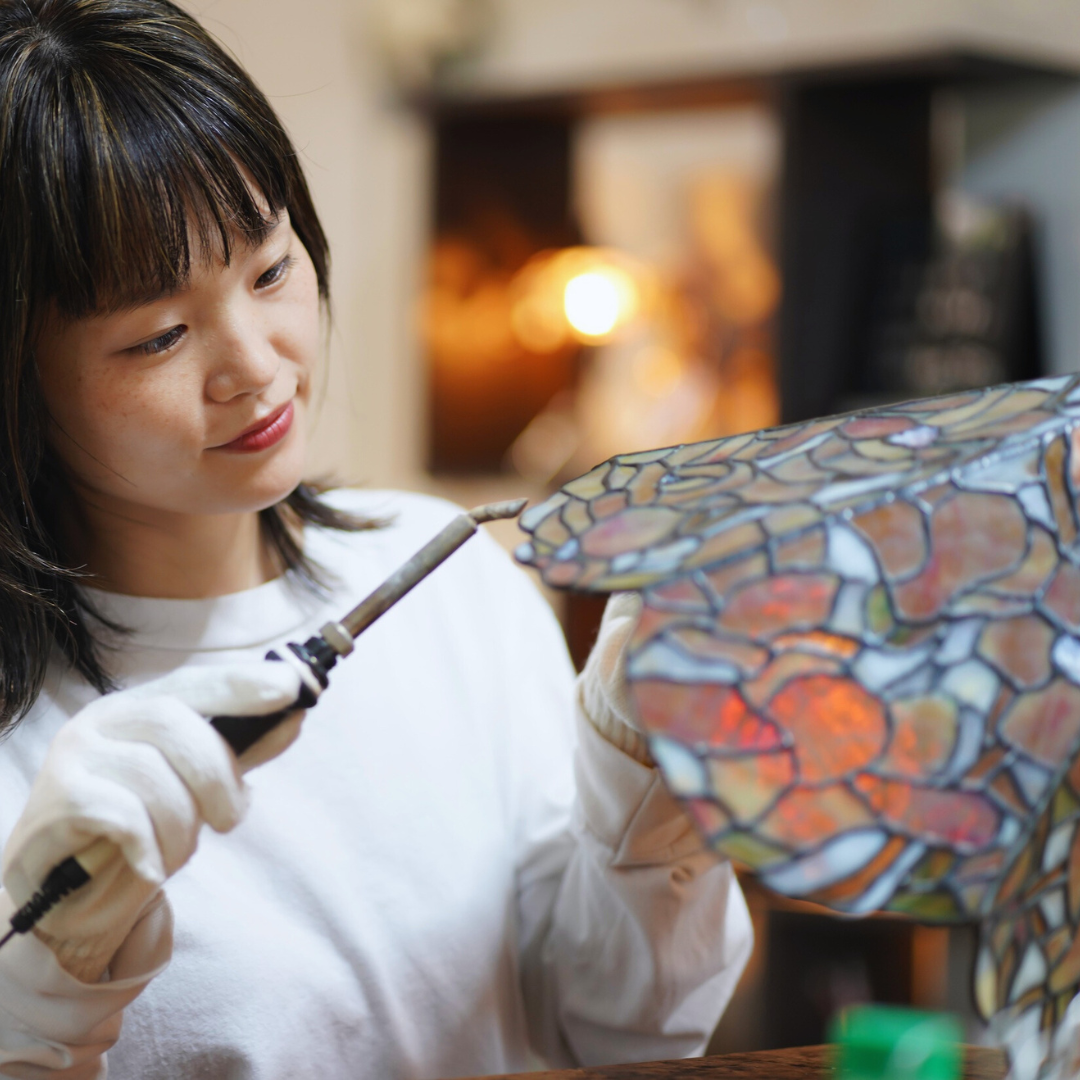

Clutter often feels like a problem, but it can become an opportunity for creativity and personal expression. Upcycling transforms unwanted items into useful, attractive pieces, giving them a new purpose instead of discarding them.
Upcycling ideas for turning clutter into character help to reduce waste while adding unique, personalised touches to any space. These projects range from simple modifications to more detailed crafts, making them accessible for all skill levels.
By reimagining everyday objects, people can create functional décor that reflects their style and values. This approach not only saves money but also supports sustainability by keeping materials out of landfills.
The Power of Upcycling: From Clutter to Character
Upcycling converts unwanted items into new, useful pieces, adding personality to spaces while actively reducing waste. This process not only enhances décor but also contributes to environmental preservation by limiting the volume of materials sent to landfills.
What Is Upcycling and How Does It Reduce Waste
Upcycling involves creatively repurposing old or discarded objects into items with greater value or utility. Unlike recycling, which breaks materials down, upcycling retains the original item’s structure, requiring less energy and fewer resources.
By giving clutter a new purpose, it prevents objects from becoming waste. For example, an old wooden pallet can become a coffee table, reducing the need to buy new furniture and decreasing landfill contributions. This method supports waste reduction by extending the life cycle of products.
Transforming Clutter into Unique Decor
Upcycling turns forgotten items into design features, creating bespoke pieces that reflect personal style. Common methods include repainting, reassembling, or combining materials to form practical or decorative objects.
Examples include converting glass jars into lamp bases or using fabric scraps for cushion covers. This practice encourages creativity and results in characterful décor that can’t be found in stores. It also promotes cost efficiency by minimising the purchase of new materials.
The Environmental Impact and Benefits of Upcycling
Upcycling decreases demand for raw materials, lowering environmental degradation associated with extraction and production. It reduces energy consumption because less processing is needed compared to manufacturing from scratch.
By diverting materials from waste streams it helps reduce landfill usage and associated greenhouse gas emissions. Upcycling also fosters sustainable consumer habits by emphasising reuse and repair over disposal, contributing positively to environmental impact and promoting responsible waste management.
Creative Upcycling Ideas for the Home
Transforming clutter into unique home elements often involves rethinking the use of everyday objects, furniture, and vintage finds. Practicality and character-building are key in turning items that might otherwise be discarded into eye-catching, functional pieces.
Turning Everyday Items into Functional Pieces
Small household items like jars, crates, and old ladders can be repurposed into storage or décor. For example, glass jars make excellent organisers for craft supplies or kitchen ingredients. Wooden crates can be stacked or mounted to create rustic shelving.
Old ladder frames, once sanded and painted, serve well as towel racks or plant stands. This type of upcycling project requires minimal tools but delivers maximum function and style. The focus is on simple modifications that extend the life of common items without complex reconstruction.
Upcycled Furniture Projects for Distinctive Style
Furniture upcycling can completely alter the atmosphere of a room. One popular project is converting a vintage suitcase into a coffee table by attaching legs. This adds both storage and a nostalgic flair.
Other projects include repainting or reupholstering chairs and drawers to inject new colour and texture. Using chalk paint and wax finishes often yields a shabby-chic look with ease. Attention to detail, such as replacing handles or cushions, enhances the uniqueness of upcycled furniture while maintaining its utility.
Incorporating Vintage Pieces for Added Character
Vintage items bring a sense of history and authenticity to any room. Integrating pieces like an old wooden trunk or a retro lamp can serve as focal points. For instance, an antique wooden trunk can double as a side table or storage unit.
Careful restoration highlights original craftsmanship without erasing the item’s story. Mixing vintage with modern elements creates a balanced, visually engaging space. Selecting pieces with distinct shapes or patinas emphasises character, making the home feel curated and personal.
DIY Upcycling Tips for Beginners
Starting with simple steps, gathering the right tools, and selecting manageable projects can make upcycling accessible to anyone. Avoiding common mistakes early on saves time and resources while boosting creativity and confidence in every project.
How to Start Your First Upcycling Project
Beginners should begin by choosing items that are easy to work with, such as wooden crates, old furniture, or glass jars. Assess the condition of the item and plan a clear outcome before starting.
Researching basic techniques like sanding, painting, or glueing can prepare one well. Starting small helps build skills without overwhelming the upcycler.
Setting a realistic budget and workspace also matters. It’s beneficial to pick projects with simple transformations, such as repainting or adding fabric, to develop technique and taste.
Tools and Materials for Successful Upcycling
Essential tools include sandpaper or a sanding block, paintbrushes, non-toxic paints, a glue gun, and cleaning cloths. These cover most basic upcycling projects and are budget-friendly.
Materials vary by project but usually consist of recycled wood, metal scraps, old textiles, and household items like jars or tins. It’s best to prioritise materials already on hand before purchasing new ones.
Safety items such as gloves, masks, and eye protection should not be overlooked. Organising tools and materials in one dedicated space ensures efficiency and encourages regular work.
Inspiring Simple Projects to Try at Home
Transforming old wooden pallets into shelves or planters offers structure and practicality. Glass jars can be turned into candle holders or storage containers with simple glue and decorative materials.
Using fabric scraps, one can make cushion covers or patchwork throws to refresh a living space. Upcycling worn-out furniture by repainting or reupholstering adds character without needing advanced skills.
Starting with these projects provides tangible results and facilitates experimentation with colour, texture, and design within easy reach.
Common Pitfalls and How to Avoid Them
One frequent mistake is choosing projects beyond current skill levels, which can lead to frustration. Beginners should avoid complicated joinery or electronics until comfortable with basic steps.
Neglecting surface preparation, like cleaning or sanding, often causes final finishes to peel or look uneven. Skipping safety precautions risks injury, especially when working with chemicals or power tools.
Overusing expensive materials or tools before understanding a project’s requirements wastes money. It is best to plan carefully and test small areas first. Patience and attention to detail reduce errors and improve outcomes.
Maximising Impact: Sustaining Upcycling in Daily Life
Adopting upcycling requires conscious effort to maintain its environmental benefits. It involves creating habits, engaging with the community, and promoting the practice to extend its positive effects.
Integrating Upcycling into Routines
Consistent upcycling begins with setting clear, manageable goals for daily waste reduction. For example, dedicating time each week to repurpose leftover materials or old furniture helps make it a habit. Keeping basic tools and supplies organised and accessible supports spontaneous upcycling projects.
Tracking waste output before and after introducing upcycling can highlight its impact. Simple acts like turning jars into storage containers or transforming worn clothes into cleaning rags embed upcycling into everyday life. This approach not only reduces landfill waste but also encourages mindful consumption.
Community and Economic Benefits of Upcycling
Upcycling fosters local economies by creating demand for skilled craftspersons and small businesses offering workshops and materials. This stimulates job creation and supports sustainable trades. Community events focused on upcycling encourage sharing knowledge and resources.
It also reduces environmental impact by lowering the need for new raw materials and decreasing waste transport emissions. Neighbourhood swaps or repair cafes strengthen social ties and promote circular consumption. These shared activities amplify the practice beyond individual households.
Encouraging Others to Embrace Upcycling
Demonstrating tangible results motivates wider adoption of upcycling. Sharing before-and-after photos or hosting upcycling workshops offers practical examples. Clear explanations of environmental benefits help connect actions to outcomes in reducing waste.
Providing simple project ideas and sourcing tips lowers barriers to entry. Encouraging schools and workplaces to integrate upcycling projects leverages collective effort. Recognition through social media or community awards reinforces positive behaviour and builds momentum.