
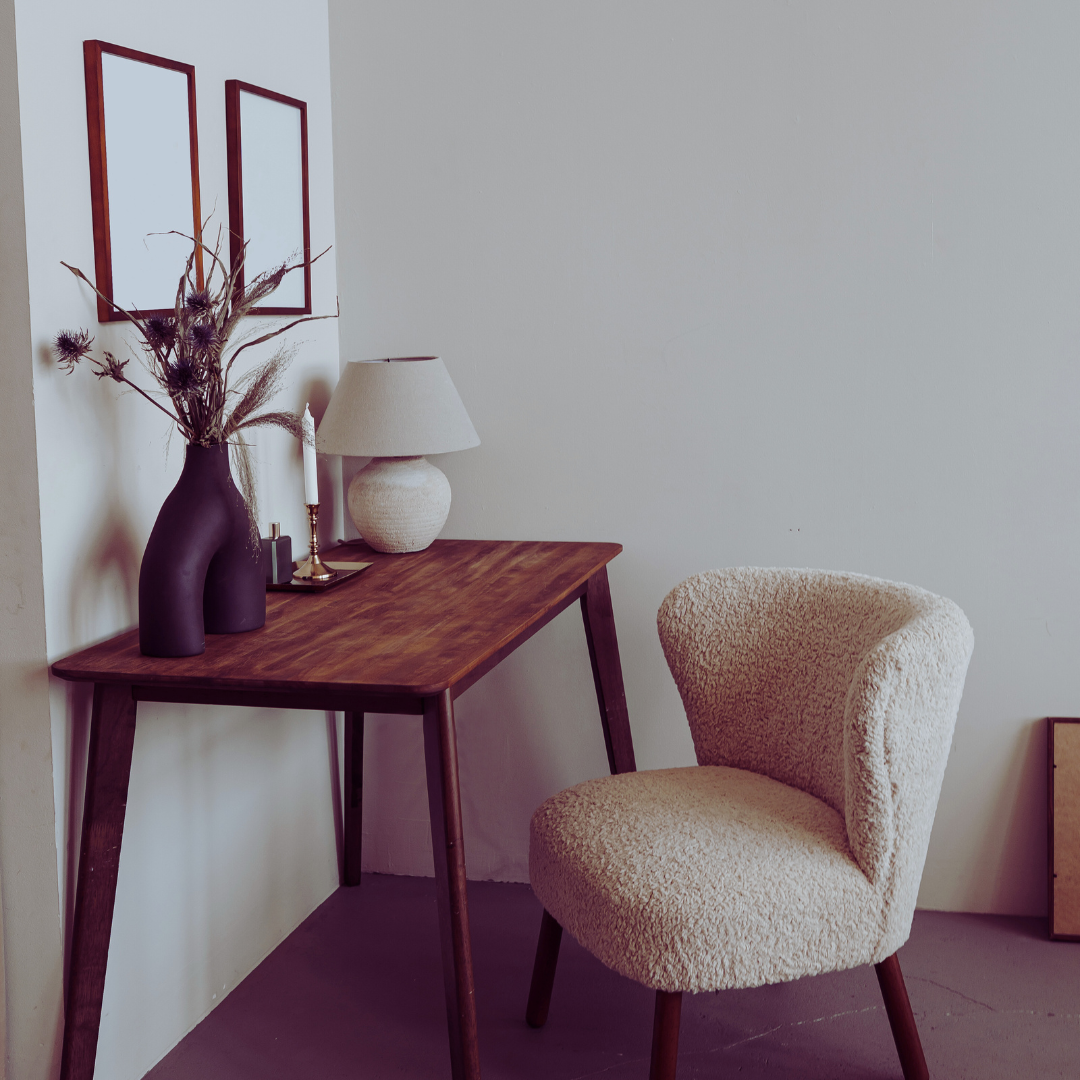

Achieving a minimalist aesthetic revolves around the principle that simplicity enhances beauty and functionality. By embracing the idea that less is more, individuals can create spaces that evoke calmness and clarity. This approach not only applies to interior design but also extends to fashion, art, and lifestyle choices.
The minimalist aesthetic encourages one to focus on what truly matters by stripping away the unnecessary. It fosters an environment where every object has a purpose and every detail matters, leading to a more organised and serene living space. By prioritising quality over quantity, it becomes possible to curate a personal style that is both timeless and impactful.
Ultimately, adopting a minimalist aesthetic can transform how one interacts with their surroundings, promoting a lifestyle rooted in intentionality. By understanding this concept, they can cultivate a sense of peace and satisfaction in their everyday life.
Principles of Minimalist Aesthetic
Minimalist aesthetic revolves around simplicity, functionality, and clarity. The focus is on eliminating unnecessary elements while embracing what is essential in design. The following principles encapsulate the essence of this aesthetic.
Embracing ‘Less Is More’
The phrase “less is more” defines the minimalist approach by emphasising simplicity. It encourages individuals to remove surplus items and distractions from their spaces.
A minimalist environment features only essential objects, promoting a sense of calm and focus. This philosophy reinforces the importance of purpose in choosing each item, allowing for greater appreciation of the remaining elements.
In practice, one can achieve this by evaluating each object’s function and emotional value. Keeping only what is necessary contributes to a more serene and organised space.
The Role of Clean Lines and Geometric Shapes
Clean lines and geometric shapes are fundamental to minimalist design. They create a sense of order and structure, allowing the eye to flow smoothly across a space.
Straight lines contribute to clarity and efficiency. They help delineate areas and provide a framework that directs attention towards key features or objects.
Geometric shapes add a modern touch and can be used in furniture and decor. Circular, rectangular, or square forms often evoke stability and balance, enhancing the overall aesthetic. By prioritising these design elements, one fosters a harmonious environment.
Incorporating Neutral Colours
Neutral colours establish a calming atmosphere conducive to minimalist spaces. A neutral colour palette, including whites, greys, and beiges, enhances the feeling of spaciousness and light.
These colours act as a backdrop, allowing other design elements and textures to take centre stage. The understated tones create a cohesive look and can easily adapt to changing styles or trends.
Using white space effectively further amplifies this sense of tranquillity. It avoids overcrowding and provides breathing room for the eyes and mind. The careful selection of hues and the emphasis on light can transform any space into a minimalist haven.
Creating a Minimalist Home
A minimalist home is characterised by simplicity, functionality, and serenity. To achieve this aesthetic, one must focus on decluttering, choosing the right furniture, and employing strategies to maintain a clutter-free environment.
Decluttering Your Space
Decluttering is the first step in creating a minimalist home. Begin by assessing each room, and identifying items that are no longer needed or used. A useful approach is to use the ‘one-year’ rule: if an item hasn’t been touched in a year, it may serve no purpose.
Organise belongings into categories: keep, donate, and discard. This method allows for easier decision-making and ensures that only essential items remain. Incorporating hidden storage solutions like under-bed drawers or built-in shelves can enhance organisation while keeping surfaces clear.
Emphasising negative space in a room fosters a sense of calmness and tranquillity. Allowing for open areas can make a home feel larger and more inviting. Decluttering not only enhances aesthetics but also promotes mental clarity.
Choosing Functional Furniture
Selecting functional furniture is crucial in a minimalist home. Each piece should serve a purpose while maintaining a sleek design. Opt for multi-functional items such as a coffee table with storage or a bed with drawers underneath.
Materials like wood or metal in neutral tones can complement the aesthetic. Avoid overly ornate designs, as these can clutter visual space. Focus on pieces that provide comfort while aligning with minimalism.
Natural light plays a significant role in showcasing a minimalist space. Transparent furniture or glass elements can help maintain a light and airy feel, contributing to the overall atmosphere without overwhelming the senses.
Strategies for Maintaining a Clutter-Free Environment
Maintaining a clutter-free environment involves consistent habits and organisation strategies. Setting aside time weekly for tidying up can prevent items from accumulating.
Establishing designated places for everyday items enhances organisation. Use baskets or trays to corral small objects, ensuring surfaces remain clean.
Incorporating a ‘one in, one out’ rule can also be effective. When acquiring a new item, consider removing an existing one to maintain balance. This practice supports a minimalist aesthetic and encourages intentional purchasing decisions, ultimately fostering a serene living space.
As you continue on your minimalist journey, it’s also important to consider how larger household essentials could impact your space. Services like Washer and dryer rental, furniture leasing, and short-term appliance rentals often provide practical alternatives, offering convenience without the commitment of ownership.
By opting for these solutions, you can enjoy modern comforts while keeping your home streamlined and free from unnecessary bulk, aligning perfectly with the principles of minimalism. This approach could not only reduce clutter but also allow for greater flexibility and freedom in your living arrangements.
Minimalist Lifestyle Choices
Adopting a minimalist lifestyle involves making intentional choices that prioritise quality over quantity. By focusing on essentials, individuals can create a serene environment and a clear mindset.
Building a Capsule Wardrobe
A capsule wardrobe consists of a limited selection of versatile clothing items that can be mixed and matched. It often includes basic pieces in neutral colours, allowing for easy combinations.
Key elements to consider:
- Quality over Quantity: Invest in high-quality fabrics that last longer and withstand wear.
- Timeless Styles: Choose classic cuts that do not go out of fashion quickly, ensuring longevity.
- Versatility: Select pieces that can transition from casual to formal settings effortlessly.
This approach promotes intentionality in fashion choices, reducing clutter and fostering a calm atmosphere.
Integrating Minimalism into Daily Life
Minimalism can influence various aspects of daily routines. Embracing the less-is-more approach enhances focus on what truly matters.
Strategies to implement:
- Declutter Regularly: Set aside time to remove items that no longer serve a purpose. This includes clothes, decor, or digital files.
- Mindful Consumption: Before acquiring new items, evaluate their necessity and utility in daily life.
- Simplify Schedules: Limit commitments to essential activities that align with personal values.
These practices create space for more meaningful experiences and promote a calmer lifestyle.
Applying Minimalism Beyond Interior Design
Minimalism extends well beyond home decor, influencing various fields including art, culture, and philosophy. This approach encourages a focus on simplicity, calmness, and essential beauty across different aspects of life.
Minimalism in Art and Culture
Minimalism in art strips away excess, highlighting essential forms and colour. Artists often utilise a limited palette and simple lines to convey powerful messages. This focus results in works that evoke a sense of peace and contemplation. Timeless classics in sculpture and painting demonstrate how minimalism can achieve profound emotional impact.
In culture, minimalism promotes a lifestyle prioritising experiences over possessions. Individuals embrace simplicity by reducing clutter and distractions. This fosters a calm environment where one can truly appreciate life’s subtleties.
Key Elements of Minimalism in Art:
- Limited colour schemes
- Simple geometric shapes
- Emphasis on form and texture
The Influence of Wabi-Sabi and Other Philosophies
Wabi-sabi, a Japanese aesthetic, centres on finding beauty in imperfection and transience. It complements minimalism by valuing simplicity and organic forms. This philosophy encourages appreciation for natural materials, which enhances a tranquil living space.
Incorporating Wabi-Sabi leads to designs rich in character and depth. For instance, handmade ceramics with uneven forms celebrate uniqueness. Accent colours are often subtle, echoing nature. Plants also play a crucial role, introducing vitality and a connection to the earth.
Principles of Wabi-Sabi:
- Embrace flaws and imperfections
- Celebrate the passage of time
- Focus on natural materials and simplicity