

Maintaining a garden can seem daunting, but with the right approach, it becomes a rewarding endeavour. Regular tasks such as watering, weeding, and pruning are essential for a vibrant garden. This not only enhances the aesthetic appeal but also promotes healthy plant growth.
Effective garden maintenance involves understanding the specific needs of different plants. Knowledge about soil quality, sunlight, and pest control can make a significant difference. Establishing a routine helps garden enthusiasts stay on top of their tasks and enjoy the process.
Incorporating sustainable practices further contributes to a thriving garden. Techniques such as composting and mulching not only nourish the plants but also improve soil health. By following these fundamental principles, anyone can cultivate a flourishing outdoor space that brings continual joy.
Understanding Your Garden’s Needs
Recognising the specific requirements of a garden is essential for promoting healthy plant growth. Key factors include soil quality, appropriate watering techniques, and the balance of sunlight and shade.
Soil Quality and Enhancement
Soil is the foundation of any garden. Assessing its quality is vital for plant health. Key components include texture, structure, and nutrient content.
Types of Soil:
- Sandy: Drains quickly but lacks nutrients.
- Clay: Retains moisture but may become compacted.
- Loamy: A balanced mix, ideal for most plants.
Enhancing soil quality can involve adding compost and mulch. Compost enriches the soil with organic matter and nutrients such as nitrogen and potassium, improving fertility. Regularly testing soil pH can help determine what amendments are needed.
Watering Techniques
Proper watering is crucial to plant survival. Different plants have varying water needs. Overwatering can lead to root rot while underwatering stresses plants. It can be a good idea to look online for “residential grading and drainage near me” to find a reputable company that can rectify any flooding or poor drainage areas of your lawn, thus improving the health of your grass.
Effective Watering Strategies:
- Water in the early morning or late afternoon to reduce evaporation.
- Use drip irrigation or soaker hoses to deliver moisture directly to the roots.
- Mulch around plants to conserve soil moisture and reduce weed growth.
Ensuring plants receive consistent moisture is key. Monitoring weather conditions can help adjust watering schedules accordingly.
Sunlight and Shade Requirements
Plants have unique light requirements. Some thrive in full sun, while others prefer partial shade. Understanding these needs helps in proper placement within the garden.
Light Categories:
- Full Sun: Requires at least 6 hours of direct sunlight daily.
- Partial Shade: Thrives in 3-6 hours of sunlight, often benefiting from afternoon shade.
- Full Shade: Grows best with less than 3 hours of direct sunlight.
Positioning plants based on their sunlight needs is key to helping them thrive. Trees, fences, or tall plants can provide shade where needed, but it’s equally important to notice if certain plants are struggling due to lack of sunlight, especially if a large tree is casting too much shadow. If that tree isn’t serving much purpose, it might be worth calling in a Tree felling service to remove it and give the garden the light and space it needs to flourish.
Regular Maintenance Rituals
A consistent maintenance routine is essential for a thriving garden. Key tasks involve lawn care, weeding and pest control, as well as pruning and trimming plants. Each of these rituals contributes to overall garden health and aesthetics.
Mowing and Lawn Care
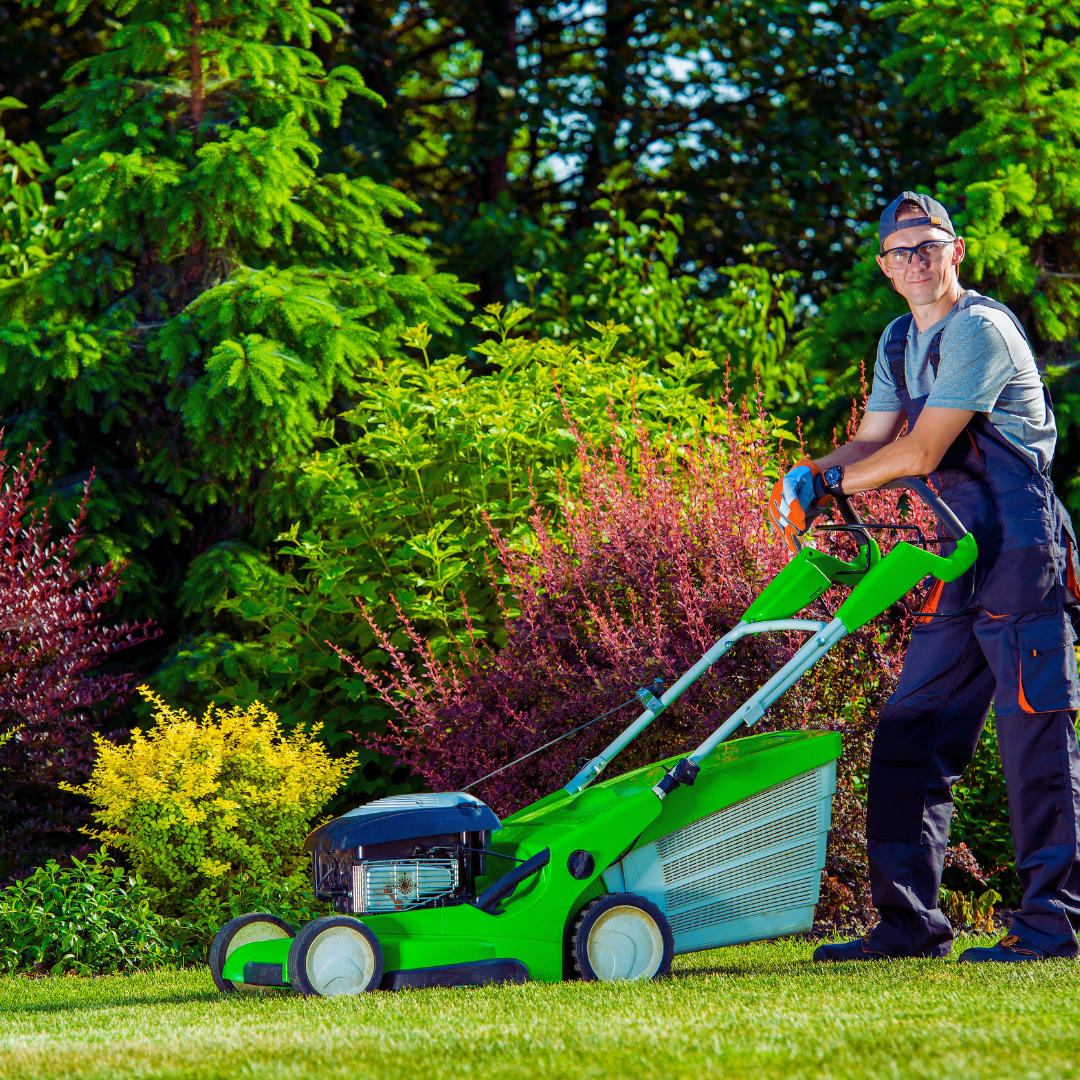
Mowing is fundamental for maintaining a healthy lawn. Regular mowing ensures that grass stays at an optimal height, promoting thicker growth and discouraging weeds. It is advisable to mow at least once a week during the growing season.
Using sharp blades is important, as dull blades can tear grass rather than cut it, leading to disease. Additionally, one should vary the mowing pattern to encourage upright growth and avoid soil compaction.
Maintaining proper lawn care includes regular watering and fertilising. It is beneficial to use a slow-release fertiliser to nourish the grass over time. Moreover, aerating the lawn once or twice a year can improve soil drainage and root development.
Weeding and Pest Control
Weeding is vital for reducing competition for nutrients and water. Regularly inspecting the garden for weeds allows for prompt removal. A combination of hand-pulling and hoeing is effective, especially when weeds are young.
Mulching can also suppress weed growth, retaining moisture in the soil.
Pest control is all about keeping an eye on things to make sure everything stays in balance. For example, bringing in helpful insects like ladybirds can naturally reduce pests without causing harm to other creatures. Catching pests early is key, too, because it gives you the chance to use more targeted treatments like insecticidal soaps or organic pesticides that don’t hurt the environment. But, if you’re dealing with a bigger problem or something tricky to handle, that’s when professional Pest Control really comes in handy. Experts can step in, assess the situation, and apply more effective solutions.
Pruning and Trimming Plants
Pruning is necessary for the health of flowering and fruiting plants. This practice removes dead or diseased branches, promoting better airflow and sunlight penetration. Each plant has specific pruning requirements, making it essential to consult with Tree pruning specialists to determine the best techniques and timing for promoting healthy growth and preventing long-term damage.
Shearing and trimming can enhance aesthetics and shape, particularly in hedges and shrubs. Regular deadheading of spent flowers encourages further blooming.
Timing is crucial; most pruning should be conducted during dormancy in late winter or early spring. Pruning away overgrown areas opens up space for new growth and maintains the plant’s overall health.
Seasonal Tasks and Special Care
Maintaining a garden requires attention to seasonal changes and specialised care for plants. Essential tasks include providing adequate nutrients and preparing for various seasonal conditions.
Feeding and Fertilising
Proper feeding and fertilising are crucial for healthy plant growth. In spring, gardeners should focus on applying balanced fertilisers to support new growth. Organic options, such as compost or well-rotted manure, are excellent choices as they improve soil structure and water retention.
During the growing season, gardeners should monitor plant health and adjust feeding accordingly. Adding mulch around plants can help retain moisture and suppress weeds. Additionally, she should conduct regular checks for nesting birds, ensuring she does not disturb their habitats while maintaining the garden.
In autumn, using a slow-release fertiliser can prepare plants for winter, enhancing their resilience against cold.
Preparing for Seasonal Changes
Seasonal transitions demand specific preparation to ensure plants thrive throughout the year. In autumn, gardeners should clear away debris and dead plants, reducing the chance of disease and pests.
Mulching in late autumn helps insulate the soil, protecting roots from frost. Additionally, this practice conserves moisture during dry spells.
As winter approaches, tender plants may need protection, either by bringing them indoors or using frost cloths. Early spring garden preparation requires pruning dormant plants and dividing perennials to promote healthy growth.
Gardeners should also check soil pH and amend as necessary to support optimal flowering in the upcoming season. These actions create a solid foundation for vibrant growth as seasons change.
Enhancing Your Garden’s Biodiversity
Biodiversity in gardens can be enriched through strategic planning and maintenance. By creating habitats for wildlife and cultivating a vegetable garden, gardeners can foster a balanced ecosystem that benefits both plants and animals.
Creating Habitats for Wildlife
Incorporating diverse habitats can attract beneficial wildlife to the garden. Adding features like birdhouses, bug hotels, and ponds encourages various species.
- Birdhouses: Place them at different heights to attract various birds.
- Bug Hotels: Constructed with natural materials like bamboo and wood to provide shelter for beneficial insects.
- Ponds: Even a small water feature can support frogs, dragonflies, and more.
Choosing native plants is essential, as they provide food and shelter for local wildlife. Flowering plants should be included to attract pollinators, such as bees and butterflies. A mix of shrubs, perennials, and annuals creates a thriving ecosystem that supports natural pest control.
Cultivating a Vegetable Garden
A vegetable garden not only provides fresh produce but also enhances biodiversity. Incorporating a variety of vegetables, herbs, and flowers can attract pests’ natural enemies, reducing the need for chemicals.
- Companion Planting: Some plants benefit each other when grown together. For example, tomatoes thrive alongside basil, while marigolds deter harmful pests.
- Crop Rotation: Rotating crops each season prevents soil depletion and reduces pest build-up.
- Intercropping: Mixing different types of plants can enhance soil health and yield.
Ensuring a well-maintained garden with these practices fosters a habitat that supports a range of species, contributing to a healthy and sustainable environment.