
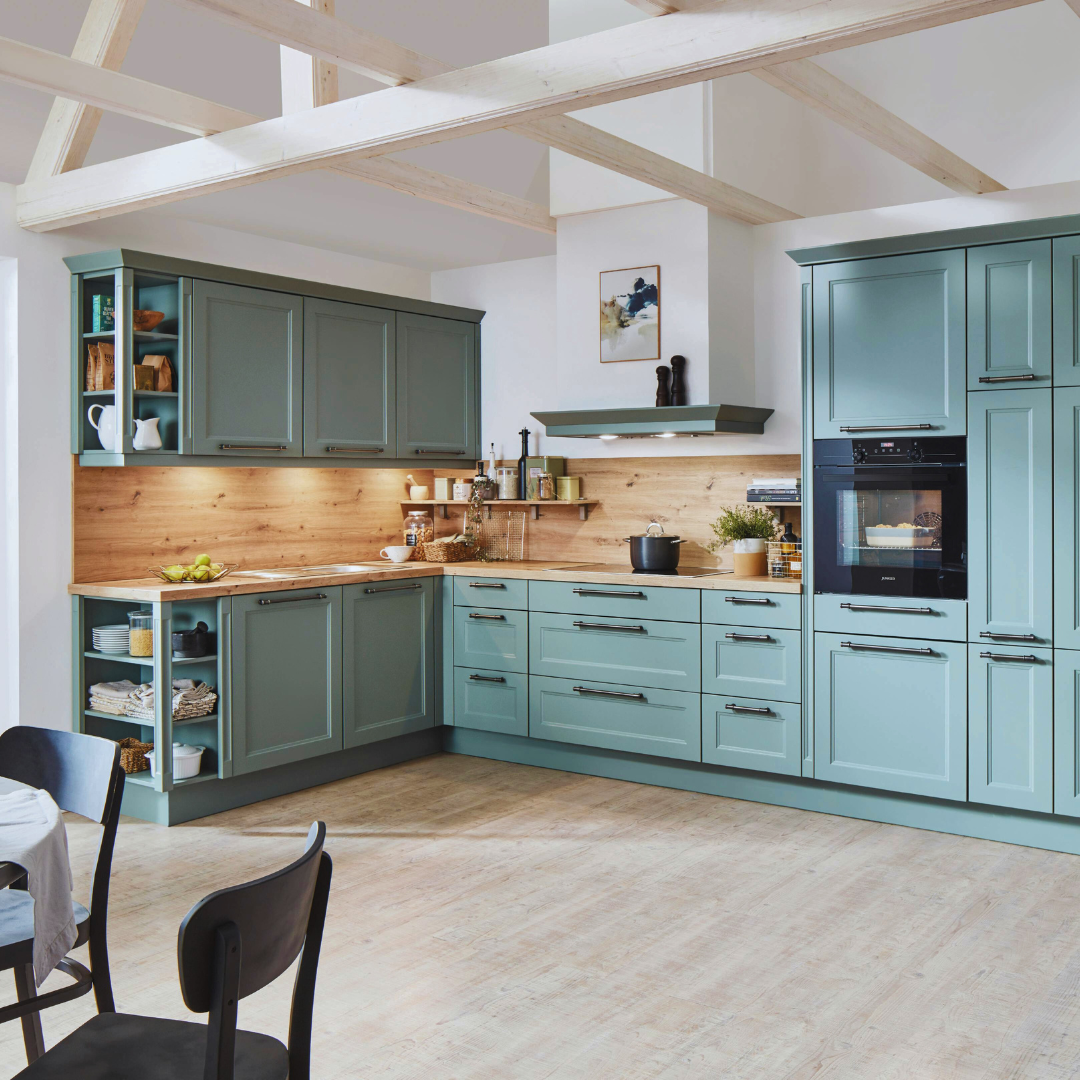

The kitchen remains the heart of the home, and the latest trends for 2025 reflect a blend of functionality and style. Contemporary kitchens now prioritise open spaces, sleek surfaces, and innovative storage solutions, making them both practical and aesthetically pleasing. As homeowners seek to create environments that inspire cooking and entertaining, embracing colour, texture, and smart technology becomes essential.
Incorporating sustainable materials into kitchen design is gaining traction, aligning with a growing consciousness about environmental impact. The use of eco-friendly surfaces and energy-efficient appliances not only enhances style but also adds value to the home. This commitment to sustainability is complemented by trendy colour palettes that reflect personal tastes and current aesthetics.
Additionally, design inspiration can be found in the fusion of classic and modern elements, allowing for unique kitchen ideas that cater to individual preferences. The emphasis on bespoke cabinetry and statement lighting fixtures illustrates how 2025 kitchen trends blend practicality with personal style.
Evolving Concepts in Cabinetry
Innovative designs in cabinetry provide an avenue for creativity in kitchen spaces. Current trends lean towards functionality and aesthetics, with an increased focus on materials and colour.
Open Shelving and Glass Fronts
Open shelving has become a popular choice in modern kitchens, allowing for easy access and display of dishware and decorative items. Unlike traditional cabinetry, open shelves create a sense of openness while encouraging personal expression.
Glass front cabinets serve a similar purpose, blending functionality with visibility. Homeowners can showcase their favourite items, adding a personal touch to the kitchen. This trend also emphasises a minimalist approach, making spaces feel larger and more inviting.
However, it is essential to maintain organisation to prevent clutter. Regular cleaning is necessary to keep glass fronts sparkling, and items on open shelves should be carefully curated for aesthetics.
Natural Materials in Cabinet Construction
The use of natural materials in cabinetry has gained traction, reflecting a growing appreciation for sustainability and craftsmanship. Materials like bamboo, reclaimed wood, and eco-friendly composites are increasingly utilised.
These choices not only enhance the kitchen’s appeal but also promote environmentally responsible design. The textures of natural materials provide warmth and depth, making spaces feel more inviting.
Incorporating elements such as stone or untreated wood can also complement the natural aesthetic. This blend of materials fosters a harmonious environment, resonating with those seeking a connection to nature in their homes.
Colourful Cabinetry Making a Statement
Colourful cabinetry has emerged as a bold trend, offering homeowners a chance to express their individuality. Bright hues or deep shades can transform a kitchen, creating focal points that attract attention.
Popular colours include rich blues, vibrant greens, and warm earth tones. These shades can be applied to entire cabinets or as accent pieces. This approach allows for creative combinations, tailoring the kitchen to personal preferences.
Mixing colours with traditional wood tones creates a dynamic contrast. This strategy maintains a sense of balance while infusing personality into the design, encouraging a lively atmosphere.
Wood Cabinetry: A Timeless Choice
Wood cabinetry remains a staple in kitchen design, valued for its durability and classic appeal. Warm wood tones, like oak and walnut, contribute to a sense of comfort and elegance.
Wood surfaces are versatile, complementing various styles, from modern to rustic. Homeowners appreciate the ability to customise finishes, allowing for personalisation.
The natural grain and texture of wood create visual interest and depth. It also offers longevity, making it a practical choice for kitchens that see daily use. The enduring charm of wood cabinetry ensures its continued relevance in evolving kitchen designs.
Trendy Kitchen Layouts and Features
Current kitchen design trends emphasise functionality and style. The focus on tailored solutions enhances usability while catering to aesthetic preferences.
Kitchen Islands: The Multifunctional Centre
Kitchen islands have become essential in contemporary designs. They serve multiple functions, including food preparation, cooking, and socialising. A well-designed island typically features storage solutions, such as drawers or cabinets, which help maximise space efficiency.
Incorporating seating at the island encourages informal dining and conversing, making it a focal point of the home. Materials like quartz or granite offer durability and visual appeal. Adding features like built-in appliances or a sink elevates its functionality, creating a seamless transition between cooking and entertaining.
Breakfast Nooks: Intimate Dining Areas
Breakfast nooks provide a cosy space for casual dining. Positioned near windows or in alcoves, these areas are often styled with benches and cushions, contributing to an inviting atmosphere.
Incorporating round or rectangular tables can enhance the space. Tailoring the nook to fit the kitchen’s overall aesthetic is important, whether through colour schemes or material choices. Thoughtful lighting complements the nook, creating a warm and welcoming environment for family meals or quiet mornings.
Outdoor Kitchens and Sculleries
Outdoor kitchens have gained popularity as extensions of indoor spaces. They offer a unique dining experience while bringing the benefits of fresh air and nature. Key features often include barbecues, prep areas, and ample seating, perfect for entertaining.
Sculleries are also trending, as they provide a designated space for food preparation and storage away from the main kitchen area. With tailored storage solutions, they help conceal clutter and keep the kitchen organised. Including a scullery enhances the kitchen’s functionality, streamlining the cooking process while maintaining an aesthetically pleasing environment.
Aesthetic Choices and Colour Themes
The latest kitchen design trends showcase a variety of aesthetic choices and colour themes that enhance functionality while creating a visually pleasing environment. These themes blend contemporary styles with natural elements, appealing to diverse tastes.
Earthy Tones and Shades
Earthy tones are increasingly popular in kitchen design, offering warmth and a connection to nature. Shades like terracotta, olive green, and muted browns create an inviting atmosphere.
This palette harmonises well with natural materials such as wood and stone, emphasising a rustic elegance. Earthy tones work particularly well in open-plan spaces, allowing for seamless transitions between the kitchen and living areas.
Incorporating greenery through potted plants or herb gardens further enhances the organic feel, promoting a serene cooking experience. The choice of earthy colours can also evoke feelings of comfort, encouraging a more relaxed ambiance in the heart of the home.
Neutral Palettes and Bold Accents
Neutral palettes continue to dominate kitchen design, providing a versatile backdrop for various styles. Shades of white, grey, and beige offer a timeless foundation that can easily adapt to changing trends.
By pairing these neutrals with bold accents, designers can create striking focal points. For instance, a deep blue or vibrant red can be introduced through cabinetry, appliances, or decorative elements.
This contrast adds depth and character without overwhelming the space. Such strategic use of colour allows homeowners to express their personality while maintaining a sophisticated overall look. The balance between neutral tones and bold accents ensures a kitchen that feels both modern and inviting.
Unlacquered Brass as a Feature Finish
Unlacquered brass is emerging as a significant feature in modern kitchen design. This material brings a sense of luxury while maintaining a natural, lived-in appearance.
As it ages, unlacquered brass develops a unique patina, adding character to fixtures and fittings. Common applications include taps, cabinet handles, and light fixtures.
Homeowners appreciate its versatility, as it complements both warm and cool colour schemes. Additionally, the tactile quality of brass enhances the user experience with every touch.
Integrating unlacquered brass details contributes to a more personalised kitchen aesthetic, appealing to those who favour unique design elements over mass-produced finishes.
Sustainable Choices for the Eco-conscious
In modern kitchen design, sustainability is gaining prominence. Homeowners now seek materials and appliances that reflect their commitment to the environment and personal style. This shift towards eco-conscious choices plays a significant role in kitchen renovations.
Going Green with Kitchen Materials
Choosing sustainable materials can greatly reduce a kitchen’s ecological footprint. Natural stone, for example, is a durable and aesthetically pleasing option that requires minimal processing. It often comes from local sources, reducing transportation emissions.
Decorative range hoods made from recycled metals or sustainably sourced wood add character while prioritising eco-friendliness. Mixed materials, such as reclaimed wood combined with modern finishes, enable unique designs that reflect individual style without compromising environmental values.
Additionally, many manufacturers now offer products that utilise sustainable practices in their production. This supports a circular economy and encourages responsible consumption, making these options more appealing for the eco-conscious homeowner.
Innovations in Eco-friendly Appliances
The advancement of eco-friendly appliances has revolutionised kitchen design. Energy-efficient models are designed to consume less electricity while performing at optimal levels. For instance, induction cooktops use electromagnetic energy, providing rapid heating without wasted heat loss.
Smart appliances further support green living. They can optimise energy consumption based on user patterns, enabling significant savings on utility bills. Features like self-cleaning and sensor-driven technology also reduce the need for harsh cleaning chemicals, promoting a healthier kitchen environment.
Moreover, eco-conscious brands often incorporate recyclable materials into their products. This not only supports sustainability but also aligns with the personal style and values of environmentally aware consumers.