
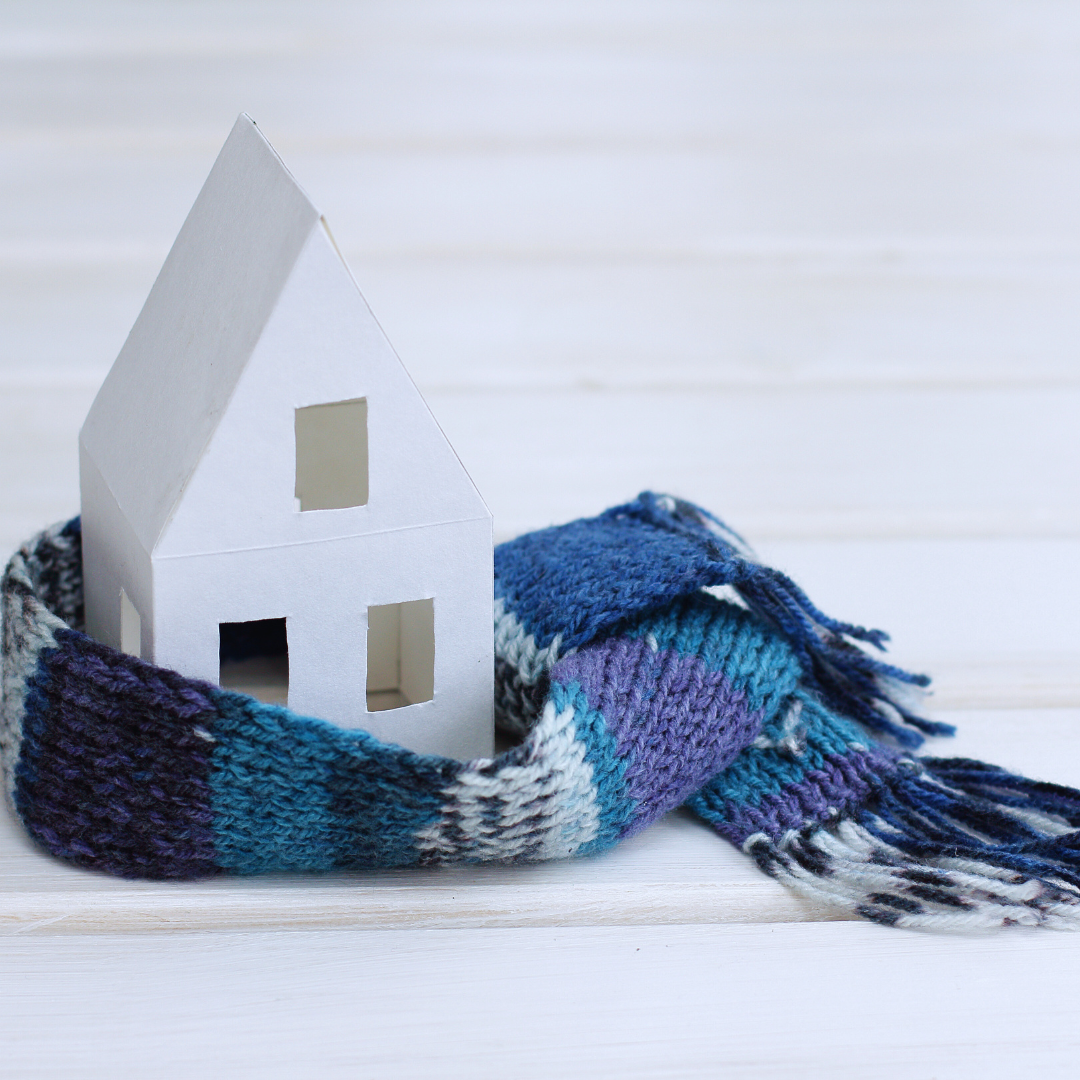

Preparing a home for each season is essential for maintaining its comfort and functionality. With each change in weather, it is beneficial to adjust the living environment accordingly. A well-thought-out seasonal task checklist can help any homeowner ensure their residence is ready to meet the demands of each time of year.
From winter-proofing to summer cooling, seasonal preparation allows for a fresh start. This routine not only maximises comfort but also protects the home from potential damage. Simple tasks, such as checking insulation and cleaning gutters, can significantly impact long-term upkeep and energy efficiency.
Embracing these changes can transform a home into a sanctuary that adapts seamlessly throughout the year. By following practical steps tailored to each season, anyone can create a welcoming and efficient living space.
Preparing Your Home for Spring
As the season of renewal approaches, preparing your home for spring involves a blend of interior maintenance, exterior inspection, and garden care. Each task contributes to a healthier and more welcoming environment.
Interior Maintenance
Spring cleaning is essential for enhancing air quality and overall home comfort. It is advisable to create a home maintenance checklist to ensure nothing is overlooked.
This includes deep cleaning carpets, curtains, and upholstery. Dust and allergens accumulate over winter months, and a thorough cleaning can significantly improve indoor air quality. She should also pay attention to ventilation systems; replacing or cleaning air filters keeps air flowing properly.
Additionally, test smoke detectors and carbon monoxide alarms to ensure they are functioning correctly. Regular checks on these safety features can prevent potential dangers.
Exterior Inspection
The exterior of the home deserves equal attention. Begin by inspecting the roof for any damage caused by winter weather. It may be necessary to repair or replace shingles that are missing or cracked.
Next, clean and flush out gutters and downspouts. Leaves and debris can cause blockages, leading to water damage.
Another key task is to trim trees and shrubs, ensuring they do not interfere with the roof or power lines. Pruning promotes healthy growth and reduces the risk of falling branches during storms.
Garden and Landscaping
Spring signifies the perfect time to revitalise gardens and landscaping. Start by clearing away any dead plants and debris from winter. This will prepare the soil for new growth.
Consider applying mulch to flower beds. Mulch helps retain moisture and suppress weeds, promoting healthier plants.
Planting flowers, vegetables, or herbs should also be on the agenda. Select seasonal varieties that thrive in the spring climate.
Regular watering and attention to newly planted items are crucial for their establishment. Creating a blooming garden not only enhances curb appeal but also increases outdoor enjoyment.
Preparations for Summer Comfort
Preparing a home for summer requires attention to several critical elements to ensure comfort and efficiency. Key areas of focus include the HVAC system’s performance, minimising heat entry through effective insulation, and optimising outdoor spaces.
HVAC System Check
A well-functioning HVAC system is essential for comfortable living during the hot months. Regular maintenance includes changing or cleaning filters to maximise airflow and indoor air quality.
Other important steps include:
- Inspecting ducts for leaks to prevent energy loss.
- Ensuring the thermostat is calibrated correctly for accurate temperature control.
- Scheduling a professional inspection to check refrigerant levels and overall system performance.
These measures help in maintaining a cool indoor environment and reducing energy bills.
Minimising Heat Entry
Minimising heat entry into the home can significantly impact comfort levels. Proper insulation plays a vital role in preventing heat gain.
Key strategies include:
- Sealing gaps around windows and doors with weatherstripping or caulk.
- Installing reflective window films or shades to block direct sunlight.
- Using insulated or blackout curtains during the hottest part of the day.
Landscaping also contributes; strategically planted trees and shrubs can provide natural shade, helping to keep interiors cooler.
Outdoor Area Setup
Optimising outdoor spaces can enhance summer enjoyment. Preparing patios, decks, and gardens can create inviting environments for relaxation and gatherings.
Steps to consider include:
- Cleaning outdoor furniture and checking for any repairs needed.
- Setting up shade structures, such as awnings or umbrellas, to create sheltered areas.
- Making sure outdoor faucets are operational and checked for leaks.
Additionally, decluttering outdoor spaces promotes a tidy appearance and provides more usable areas for activities. These preparations not only enhance enjoyment but also extend the life of outdoor furnishings.
Autumn Home Readiness
Preparing a home for autumn involves several key maintenance tasks that ensure comfort and protection as temperatures drop. Important areas to address include gutter maintenance, inspecting for damage, and improving indoor air quality.
Gutter Maintenance
Gutters play a crucial role in directing water away from the home. Leaves and debris can accumulate quickly in the autumn. Regular cleaning is essential to prevent blockages.
Steps for effective gutter maintenance:
- Clear debris: Remove leaves and twigs manually or use a leaf blower.
- Check for damage: Inspect for cracks or rust spots that could lead to leaks.
- Ensure proper slope: Gutters should be sloped toward downspouts for efficient water flow.
Schedule professional cleaning if the gutters are hard to reach. Maintaining clear gutters helps avoid costly water damage and protects the roof.
Inspecting for Damage
As autumn brings changing weather conditions, it’s prudent to check the home for any signs of damage. Key areas to inspect include the roof and foundation.
What to look for:
- Roof inspection: Look for missing or damaged shingles to prevent leaks.
- Seal cracks and gaps: Check around windows and doors. Use caulk to seal any visible gaps. This helps in reducing drafts.
- Foundation checks: Inspect the foundation for cracks. Addressing these early can prevent larger issues during winter.
Taking these steps can mitigate risks associated with the colder months.
Indoor Air Quality
As inhabitants spend more time indoors, maintaining air quality becomes vital. Properly managing this aspect can lead to a healthier living environment.
Key actions to improve indoor air quality:
- Replace furnace filters: A clean filter ensures efficient furnace operation. Change it every 1-3 months during heavy use.
- Check for drafts: Use a candle or incense stick around windows and doors to identify drafts. Seal any leaks promptly.
- Ventilation: Ensure proper ventilation to avoid humidity build-up. Use exhaust fans and open windows when possible.
Paying attention to indoor air quality can enhance comfort throughout the season.
Winterising Your Residence
Preparing a home for winter involves protecting plumbing systems, enhancing heating efficiency, and implementing safety measures. Each aspect plays a significant role in ensuring comfort and safety during the colder months.
Plumbing Protection
To prevent pipes from freezing, it is essential to insulate exposed plumbing. Use foam pipe insulation or wrap insulation tape around pipes in unheated areas. This simple action significantly reduces the risk of burst pipes, which can lead to costly repairs.
In addition, homeowners should consider draining outdoor faucets and sprinkler systems. Removing any remaining water from these systems can prevent freezing and subsequent damage. It is also advisable to check for leaks or cracks in the foundation that could allow cold air to enter and affect indoor temperatures.
Heating Efficiency
Optimising a home’s heating efficiency is crucial for comfort and energy savings. Regular maintenance of heating systems, including cleaning or replacing filters, helps to ensure the system operates effectively.
Sealing gaps around windows and doors will prevent drafts. Using weatherstripping or caulk can help maintain warmth inside the home. Furthermore, consider having a technician inspect the furnace or boiler to confirm it is functioning at peak efficiency.
Seasonal Safety Measures
Safety is paramount during winter months. Installing carbon monoxide detectors and smoke alarms is vital, as the use of heating devices increases fire risk. Tests and battery changes should be performed regularly to ensure they are operational.
Additionally, reviewing electrical systems is important. Preventing overloaded circuits by avoiding the use of multiple high-wattage appliances on the same outlet can mitigate fire hazards. Homeowners should also clear roofs of snow to prevent ice dams or roof damage, safeguarding the home’s structure during heavy snowfalls.