
Regular maintenance of an HVAC system is crucial for its longevity and efficiency. By following a few simple steps, one can significantly enhance energy efficiency and indoor air quality while reducing the risk of costly repairs. This proactive approach ensures that the system operates at peak performance, providing comfortable living conditions year-round.
One key aspect of HVAC maintenance is regular filter changes. Dirty filters can obstruct airflow, leading to increased energy consumption and diminished air quality. Regularly scheduled inspections and cleanings of the system components also play a vital role in identifying potential issues before they escalate.
Moreover, maintaining the proper balance of humidity and temperature can further improve indoor air quality. Simple tasks like checking refrigerant levels and ensuring that vents are unblocked contribute to optimal system efficiency. With these straightforward strategies, individuals can enjoy a dependable HVAC system that keeps their environment comfortable and healthy.
Understanding Your HVAC System
A comprehensive understanding of an HVAC system enhances its maintenance and efficiency. It is essential to recognise the components and different types of systems available, as these factors directly influence performance.
Components and Functionality
An HVAC system consists of several key components that work together to regulate indoor climate. The main parts include:
- Outdoor Unit: Houses the compressor and condenser coils, essential for heat exchange.
- Indoor Unit: Contains the evaporator coils and blower, responsible for circulating air.
- Ductwork: Channels the conditioned air throughout the building and returns the unconditioned air back to the system.
Each component has a specific role. The compressor compresses refrigerant gas, forcing it through the coils, while the blower maintains airflow through vents. Proper care for these parts, following the manufacturer’s instructions, ensures optimal performance and longevity.
Types of HVAC Systems
Several types of HVAC systems cater to different needs and building types. Common systems include:
- Central Air Conditioning: Uses a network of ducts to distribute cooled air.
- Heat Pumps: Provide both heating and cooling by transferring heat in or out of the building.
- Ductless Systems: Ideal for homes without ductwork, featuring individual indoor units connected to an outside unit.
Each type offers unique strengths. For instance, ductless systems enable zoned temperature control, enhancing comfort and energy efficiency. Understanding the type of system in use aids in effective maintenance practices.
Regular Maintenance Schedule
Establishing a regular maintenance schedule for an HVAC system is crucial for its longevity and efficiency. This schedule should encompass annual inspections, DIY maintenance tasks, and professional services to ensure optimal performance.
Importance of Annual Inspections
Annual inspections are essential for recognising potential issues within the HVAC system. A trained technician can assess components such as the compressor, evaporator coils, and blower motor. They will also check the condensate drain to prevent clogs that can lead to water damage.
During these inspections, technicians often clean essential parts, ensuring the system operates at peak efficiency. Such evaluations can identify worn parts before they fail, saving time and money on emergency repairs. Regular inspections ultimately extend the life of the system.
DIY Maintenance Tips
Homeowners can perform several simple tasks to maintain their HVAC systems effectively. Changing air filters every 1-3 months improves airflow and prevents dust buildup. This task is crucial for maintaining indoor air quality and system efficiency.
Cleaning the condensate drain with a mixture of vinegar and water helps prevent clogs. Additionally, vacuuming dust from the blower motor area enhances performance. A regular visual inspection of the outdoor unit, ensuring it is free from debris, also aids in system efficiency.
Creating a checklist for these DIY tasks encourages consistency and thoroughness. Homeowners should prioritise these activities to keep their HVAC system running smoothly.
Professional HVAC Maintenance
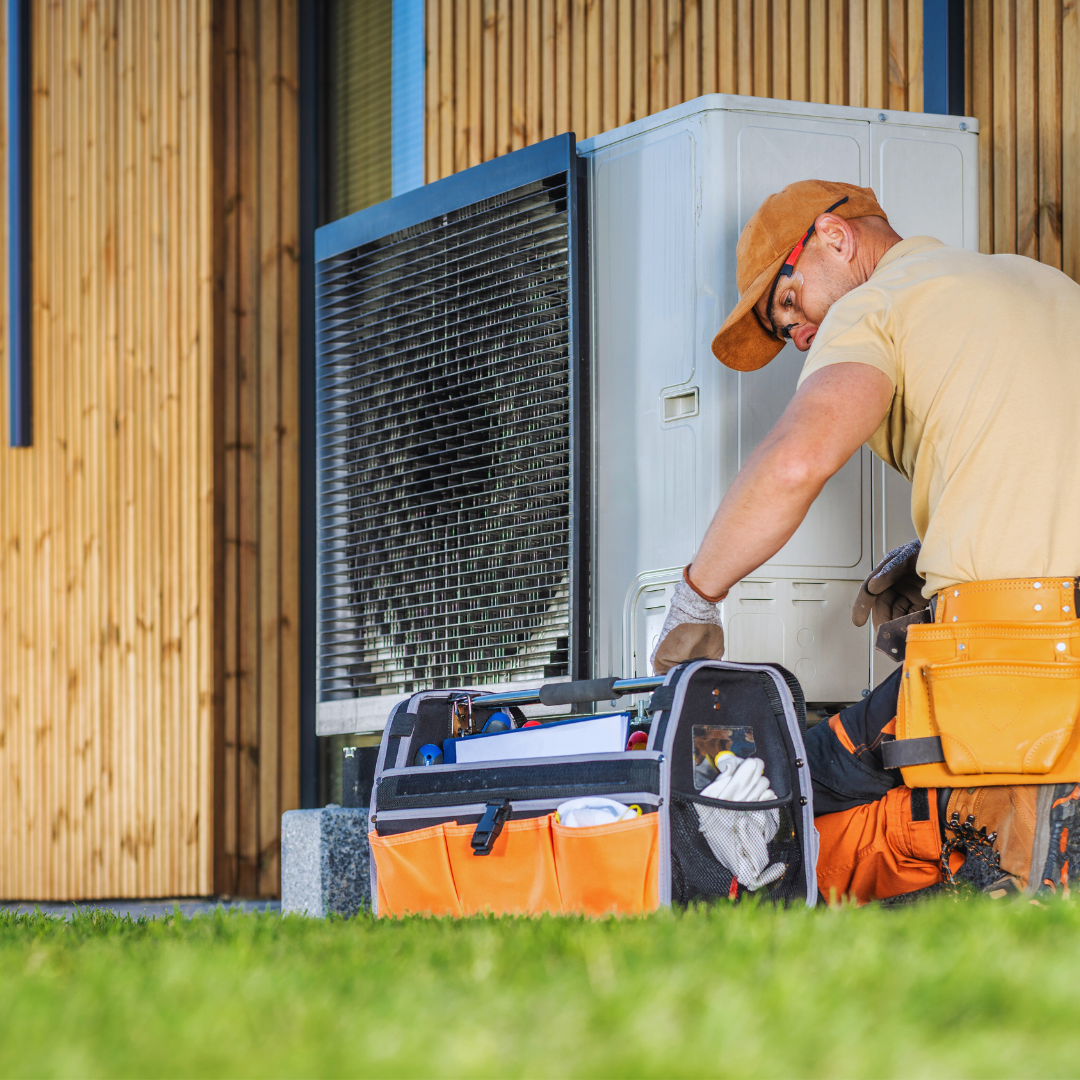
Hiring a professional for HVAC maintenance ensures comprehensive care that goes beyond basic tasks. These technicians have the expertise to tackle complex issues. During a maintenance visit, they will assess all system components, including electrical connections and refrigerant levels.
Professionals can also perform specialised cleaning, such as coil cleaning, which is vital for efficient heat exchange. They will typically replace worn components, ensuring the system operates safely.
Scheduling professional maintenance at least once a year is advisable. Such routine checks can prevent significant breakdowns and enhance the HVAC system’s efficiency in the long run.
Improving Efficiency and Indoor Environment
Maintaining an efficient HVAC system enhances energy efficiency and contributes to a healthier indoor environment. Key practices include energy-saving techniques and the utilisation of advanced thermostats that optimise temperature control.
Energy-Saving Practices
Implementing energy-saving practices is crucial for reducing energy consumption and costs. Simple actions can make a significant difference:
- Regular Maintenance: Schedule professional inspections and cleanings at least once a year to ensure the system operates efficiently.
- Proper Airflow: Keep vents and registers clear of obstructions. This improves airflow and allows the system to heat or cool more effectively.
- Use Ceiling Fans: Ceiling fans assist with air circulation, helping to maintain a comfortable temperature. In summer, they should rotate counter-clockwise for a cooling effect, and clockwise in winter to redistribute warm air.
By adopting these practices, individuals can significantly enhance the efficiency of their HVAC systems.
Thermostats and Control Systems
The type of thermostat used plays a vital role in energy management. Options include:
- Smart Thermostats: These devices learn personal schedules and adjust temperatures accordingly. They can be controlled remotely, allowing for greater flexibility and efficiency.
- Programmable Thermostats: These allow users to set specific times for heating and cooling. Program settings for when people are at home or away to minimise unnecessary energy use.
Both options help optimise temperature control, thereby reducing energy costs while maintaining comfort. Investing in these technologies can yield long-term financial and environmental benefits.
Troubleshooting and Resolving Common Issues
Maintaining optimal HVAC performance is essential for comfort and efficiency. Identifying and resolving common issues can greatly enhance system longevity and effectiveness.
Detecting and Managing Inconsistent Temperatures
Inconsistent temperatures often indicate problems within the HVAC system. It could stem from blocked air ducts, faulty thermostats, or refrigerant level issues. To troubleshoot, one can start by checking the thermostat settings for accuracy.
Inspecting the ducts for any visible obstructions, like dust or debris, is crucial. If obstructions are found, a thorough cleaning may be necessary. Additionally, uneven airflow in different rooms can often be resolved by adjusting vents or using fans to promote better circulation.
Responding to Refrigerant Level Concerns
Refrigerant level issues can severely affect system performance. Low refrigerant levels often lead to reduced cooling capability and increased energy consumption. Signs of low refrigerant may include ice forming on the evaporator coils or inadequate cooling output.
To troubleshoot, one should first inspect for any visible leaks in the system. If a leak is suspected, it is important to contact a professional to locate and repair it correctly. After addressing leaks, the refrigerant should be replenished to the manufacturer’s recommended levels for optimal performance.
Professional Duct Cleaning and Maintenance
Regular duct cleaning is vital for maintaining airflow and overall HVAC efficiency. Dust, allergens, and debris can accumulate in the ductwork, leading to decreased system performance and increased energy costs.
It’s advisable to schedule professional duct cleaning every few years, especially if there are pets or allergies present in the household. Professional services can effectively remove build-up from duct surfaces, ensuring clean air circulation.
In addition, regular inspection and maintenance of components like condenser coils play a significant role in optimal system functioning. A well-maintained system not only operates more efficiently but tends to have a longer lifespan.