
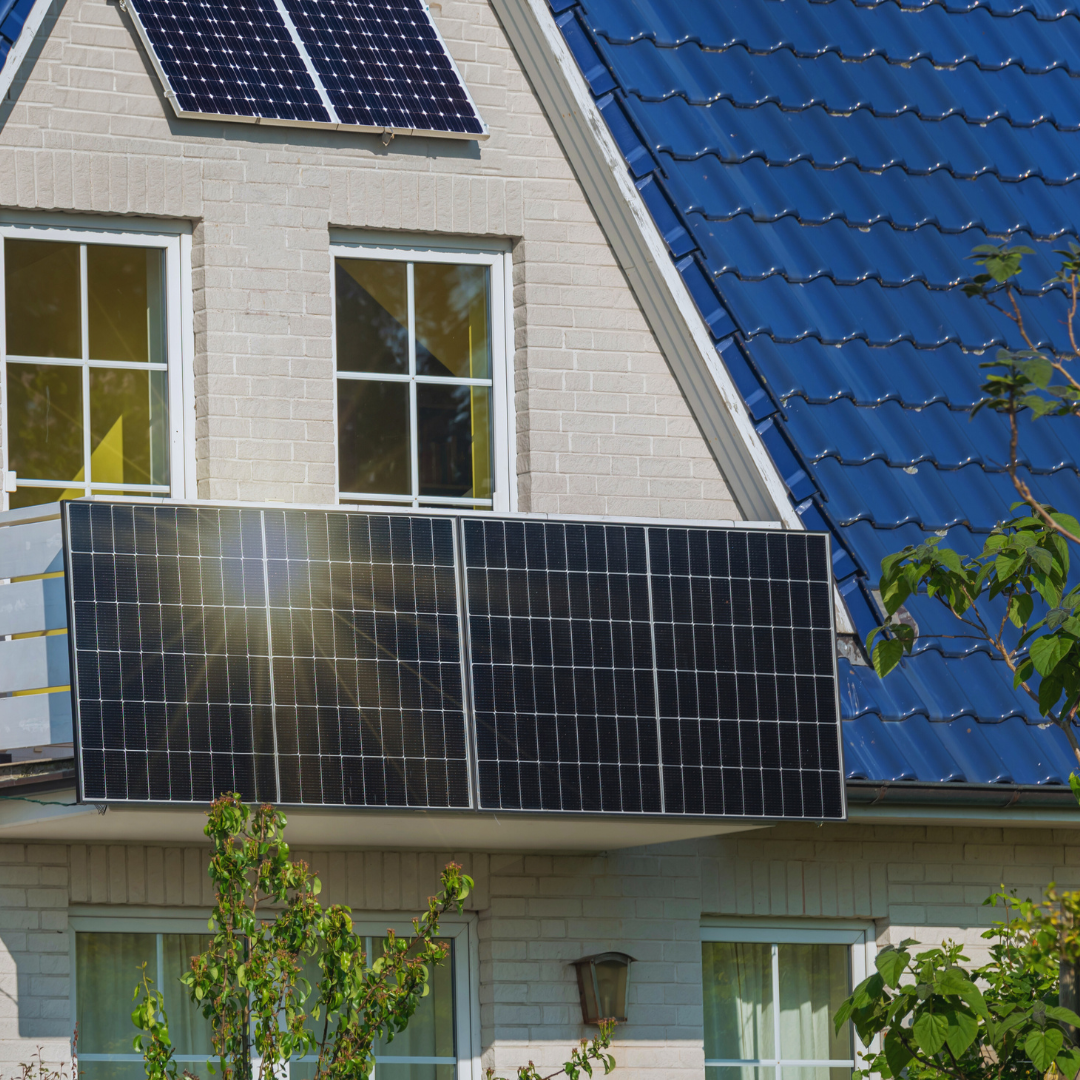

Making a home more eco-friendly is not only beneficial for the environment but can also enhance the quality of life for its inhabitants. Implementing simple changes such as energy-efficient appliances, sustainable materials, and proper recycling practices can significantly reduce one’s carbon footprint. These adjustments promote environmental sustainability and can lead to long-term savings on utility bills.
Incorporating plants into the home can improve air quality and enhance the aesthetic appeal. Additionally, utilising renewable energy sources, like solar panels, can transform a conventional dwelling into a sustainable home that thrives on eco-conscious principles.
Adopting these practices is an essential step towards a greener lifestyle. Embracing eco-friendly habits does not just contribute to personal well-being; it also plays a pivotal role in protecting the planet for future generations.
Energy Efficiency and Smart Technology
Implementing energy efficiency measures and integrating smart technology can significantly reduce energy consumption in a home. This approach not only cuts costs but also minimises environmental impact. Key components include upgrading appliances, installing smart thermostats, and switching to LED lighting.
Upgrading to Energy-Efficient Appliances
Energy-efficient appliances are designed to use less energy while providing the same level of performance. They often bear endorsements such as the ENERGY STAR label, indicating compliance with strict efficiency regulations.
Modern options include refrigerators that consume up to 50% less energy than older models. Other examples are washing machines, dishwashers, and ovens that feature advanced technology for optimal energy usage.
When replacing an appliance, it is essential to compare the energy ratings. Investing in these models can lead to substantial savings on utility bills over time.
Installing Smart Thermostats and Meters
Smart thermostats allow homeowners to gain better control over their heating and cooling systems. These devices can learn user preferences and automatically adjust temperatures based on occupancy, leading to energy savings.
Smart meters provide real-time data on energy consumption, helping homeowners identify patterns in their energy usage. This information aids in making informed decisions about energy management and identifying opportunities to reduce waste.
Using smart heating controls further optimises energy efficiency, adapting heating schedules to individual lifestyles. Together, these technologies contribute to a more sustainable home environment.
Benefits of LED Lighting
Switching to LED lighting presents a straightforward method to enhance energy efficiency. LED bulbs use up to 80% less energy than traditional incandescent bulbs and have a significantly longer lifespan, often lasting over 25,000 hours.
This reduction in energy usage translates directly into lower energy bills. Additionally, LEDs emit less heat, contributing to a more comfortable indoor climate without overloading cooling systems.
Transitioning to LED lighting can also enhance the aesthetic appeal of a home. With various designs and colour temperatures available, homeowners can create inviting spaces while simultaneously benefiting the environment.
Sustainable Energy Sources
Adopting sustainable energy sources can significantly reduce a home’s carbon footprint. A blend of solar, wind, and renewable heating options can create a more energy-efficient environment.
Harnessing Solar Power
Solar power is a viable option for homeowners looking to utilise renewable energy. Installing solar panels on rooftops can capture sunlight and convert it into clean electricity. This harnessing of solar energy not only decreases dependence on fossil fuels but also lowers utility bills over time.
Homeowners typically benefit from various incentives for solar power installations, including government grants and tax credits. In addition, energy storage systems, like batteries, allow for the use of solar electricity during non-sunny periods, enhancing energy self-sufficiency.
It’s crucial to assess the home’s location and roof orientation to maximise solar panel efficiency. Many residential solar systems can produce enough energy to fully power a home, making them a smart investment for long-term sustainability.
Investing in Wind Turbines
Wind turbines can be an excellent addition to a sustainable home energy strategy. While larger turbines are often used in commercial applications, smaller, residential wind turbines can also be effective. These devices convert wind energy into electricity, providing a renewable energy source that complements solar systems.
When considering wind turbines, it is important to evaluate local wind patterns and zoning regulations. A consistent wind speed can significantly impact energy output. Additionally, positioning the turbine away from obstructions such as trees or buildings optimises performance.
Homeowners can expect to generate their own clean energy, contributing to a decreased carbon footprint. Wind energy can also enhance resilience during power outages by providing an independent energy source.
Choosing Renewable Heating Solutions
Renewable heating solutions encompass various technologies designed to utilise sustainable energy. Types of systems include heat pumps, solar thermal water heating, and biomass boilers. These systems can significantly reduce reliance on conventional heating methods that commonly use fossil fuels.
Heat pumps efficiently transfer heat from the ground or air into the home, providing consistent heating with lower energy usage. Solar thermal systems use solar energy to heat water, efficiently serving domestic needs.
Biomass boilers burn organic materials, such as wood pellets, offering a carbon-neutral option for heating. By switching to such renewable heating solutions, homeowners can improve energy efficiency and reduce greenhouse gas emissions.
Insulating and Weatherproofing Your Home
Enhancing insulation and weatherproofing can significantly reduce energy waste while improving comfort. By implementing effective strategies, homeowners can create a more sustainable living environment.
Advantages of Home Insulation
Home insulation serves to minimise heat loss during winter and keep interiors cool in summer. Effective insulation materials such as fibreglass, foam boards, and spray foam ensure that thermal energy remains within the home.
Improved insulation can lead to lower energy bills as heating and cooling systems operate less frequently. As a result, carbon footprints shrink, contributing to a more eco-friendly home. Additionally, insulation reduces noise pollution, creating a quieter indoor environment.
Homeowners can insulate various areas, including attics, walls, and floors. Insulating walls and roofs can be particularly effective, creating a protective barrier against temperature fluctuations.
The Impact of Double Glazing
Double glazing involves using two glass panes with a space in between, which significantly enhances thermal performance. This technique reduces heat loss, making it an effective measure for maintaining consistent indoor temperatures.
With double glazing, the energy required for heating or cooling decreases. This enhancement leads to reduced reliance on systems such as heat pumps and underfloor heating. Consequently, such improvements can yield substantial savings on energy bills.
Furthermore, double glazing offers additional benefits like improved security and noise reduction. The thick panes deter break-ins and help reduce disturbances from outside, contributing to a more peaceful home atmosphere.
Other Weatherproofing Measures
Weatherproofing includes sealing gaps, adding weather strips, and applying caulking around windows and doors. These methods prevent drafts and keep the home well insulated.
Additionally, homeowners might consider installing a hydronic radiant heating system. This system circulates warm water through pipes beneath the flooring, providing even and efficient heating.
For further weatherproofing, roof insulation and proper drainage systems can prevent moisture ingress and damage. Regular maintenance ensures that existing weatherproofing measures remain effective over time, helping to protect the home against adverse weather conditions.
Eco-Friendly Home Practices and Materials
Implementing eco-friendly practices and selecting sustainable materials can significantly reduce a home’s environmental impact. Simple adjustments in daily habits, coupled with the use of eco-conscious products, contribute to a greener lifestyle.
Reducing Water and Plastic Use
Minimising water consumption is essential for sustainability. Households can implement water-saving devices such as low-flow taps and showerheads. Collecting rainwater for gardening also conserves resources.
When it comes to plastic, avoiding single-use items is crucial. Opting for reusable bags, containers, and straws can dramatically reduce plastic waste. Additionally, choosing products with minimal packaging helps lessen the environmental footprint.
Utilising Sustainable Building Materials
Selecting sustainable materials is vital for eco-friendly construction and renovation. Bamboo is a popular choice due to its rapid growth and durability. It serves as an excellent alternative to traditional timber.
Eco-friendly building materials include recycled steel, reclaimed wood, and recycled glass. These options reduce the demand for new resources. Using eco-paints, which contain fewer volatile organic compounds, ensures healthier indoor air quality while protecting the environment.
Environmentally Friendly Home Improvements
Green home improvements can significantly enhance sustainability. Installing energy-efficient appliances and LED lighting reduces energy consumption, lowering utility bills.
For flooring, options like cork or bamboo provide sustainable alternatives. Incorporating natural cleaning products avoids harmful chemicals, benefitting both the environment and health.
Lastly, utilising insulation materials that have a low environmental impact can improve energy efficiency. Each small change contributes to a more sustainable home environment.