

Lighting can change the way a room feels instantly, influencing mood and comfort without costly renovations. Simple adjustments to brightness, colour temperature, and light placement can make a significant difference.
Using warm tones and layered lighting helps create a welcoming and relaxed atmosphere in any space. This approach allows for flexibility and control, adapting the environment to various needs and times of day.
Understanding how natural and artificial light interact offers practical ways to enhance a room’s mood effectively. Small changes often lead to the most noticeable improvements.
Fundamentals of Mood-Boosting Lighting
Effective lighting shapes the way people feel in a room. Understanding how light affects mood, the main types of lighting that create atmosphere, and how to layer lights strategically are essential for improving room ambience.
The Psychology of Light and Mood
Light influences emotions and behaviour significantly. Bright, natural light tends to boost alertness and energy, while softer, warmer tones promote relaxation and comfort. The colour temperature of lighting, measured in Kelvins (K), plays a key role: cooler light (5000K to 6500K) is stimulating, whereas warmer light (2700K to 3000K) feels cosy and inviting.
The human brain reacts to light through the circadian rhythm, regulating sleep and mood cycles. Poor lighting can cause fatigue, while well-designed lighting supports mental well-being. Directly addressing lighting’s psychological function can make rooms feel welcoming or energising, depending on their purpose.
Key Types of Lighting for Atmosphere
Three primary lighting types contribute to room atmosphere: ambient, task, and accent lighting.
- Ambient lighting provides overall illumination, setting the basic mood with soft, even light.
- Task lighting offers focused light for activities like reading or cooking, improving functionality without overwhelming brightness.
- Accent lighting highlights features or décor, adding depth and visual interest that elevates the mood.
Combining these types correctly helps define zones within a room and creates a balanced environment. Using dimmers enhances control, allowing adjustment to suit different times or activities.
Principles of Layered Lighting
Layered lighting integrates ambient, task, and accent lighting to avoid flat or harsh illumination. This approach improves flexibility and mood by combining multiple light sources at various heights and intensities.
Key principles include:
- Positioning ambient lights for uniform coverage.
- Adding task lights where specific activities take place.
- Using accent lights to highlight architectural elements or art.
Layering lights creates contrast and texture, making a space adaptable and visually appealing. Effective layering reflects thoughtful lighting design, contributing to mood enhancement without unnecessary brightness or shadows.
Smart Choices: Fixtures and Technologies
Choosing the right lighting involves combining functional fixtures with adaptable technologies. Understanding how fixtures and devices control light quality, colour, and intensity helps create a tailored atmosphere for any room.
Selecting Lighting Fixtures for Every Room
Lighting fixtures must suit the room’s purpose and size. In living areas, ceiling-mounted or pendant lights provide broad illumination. For bedrooms, softer options like wall sconces or flameless LED candles offer mood-enhancing glow. Kitchens and bathrooms benefit from bright, focused fixtures such as recessed lights or under-cabinet LEDs.
Fixtures also affect design. Metals, glass, and fabric shades change light diffusion and style. For versatility, LED strip lights can highlight architectural features and add subtle accents without overpowering the space.
Using Smart Bulbs and Dimmers for Flexibility
Smart bulbs offer control over colour and brightness using apps or voice commands. They include options such as colour-changing bulbs that shift tones from warm white to cool blue, adapting to different times or activities.
Installing dimmer switches alongside smart bulbs increases control over light levels, reducing glare and enhancing comfort. Using smart lighting and dimmers together offers personalised settings, from bright task lighting to cosy ambience, without rewiring.
Embracing Energy-Efficient Lighting Solutions
Energy efficiency improves sustainability and lowers electricity bills. LED bulbs are the most efficient option, lasting longer and consuming less power than incandescent or halogen bulbs.
In addition to LEDs, LED strip lights and LED candles provide efficient decorative lighting. Combining these with smart controls helps optimise energy use by scheduling lights to turn off automatically when not needed. This mix of efficiency and smart technology benefits both the environment and the budget.
Styling and Placement for Instant Impact
Effective lighting instantly changes a room’s atmosphere by focusing on warmth, functionality, and visual interest. Properly styled and placed lighting elements can highlight architectural features and create inviting spaces without overwhelming the room.
Creating Warmth with Candles and Lanterns
Candles and lanterns add gentle, flickering light that softens any room. Placing scented candles on coffee tables or shelves can introduce both warmth and fragrance, enhancing comfort.
Lanterns, especially those with glass panels, cast a subtle glow while serving as decorative pieces. Clustering candles or lanterns at varying heights draws the eye and creates an intimate focus, ideal for living rooms or bedrooms.
Safety is important: keep candles away from flammable materials, and consider flameless options if practicality is a concern. Candlelight complements other sources but should not be the sole lighting in functional spaces.
Strategic Placement of Table and Floor Lamps
Table and floor lamps provide versatile task and ambient lighting. Position table lamps beside seating to offer sufficient brightness for reading or working without harsh overhead light.
Floor lamps fit well in corners or next to sofas, filling shadowed areas with soft, diffused light. Using dimmable lamps adds control over ambience.
Matching lamp styles to existing décor keeps the space cohesive. Lamp height matters; table lamps should align with eye level when seated, and floor lamps should cast light upward or sideways to reduce glare.
Highlighting Features with Accent Lights and Picture Lights
Accent lights and picture lights are essential for showcasing art, plants, or architectural details. Wall sconces and spotlights direct focus onto features without overpowering the room.
Picture lights mounted above artwork provide even illumination that prevents harsh shadows. Adjustable spotlights allow control over beam direction and intensity.
Accent lighting works best layered with general light sources to maintain balance. Use LED bulbs for consistency and reduced heat near delicate items. Placing wall lights strategically can also enhance textures and depth within the space.
Setting Focal Points with Chandeliers and Pendant Lights
Chandeliers and pendant lights create strong visual anchors that define the character of a room. Position a chandelier centrally in a dining area or living room for balanced illumination and style.
Pendant lighting works well over kitchen islands or bedside tables, offering focused light where needed. Choose fixtures in proportion to room size to avoid overwhelming the space.
Materials like glass, metal, or fabric shades influence light diffusion and mood. Using dimmable bulbs in chandeliers and pendant lights allows for adaptable brightness levels that suit different occasions. Decorative lighting serves both form and function in improving room ambience.
Fine-Tuning Ambience: Colour, Temperature, and Special Effects
Adjusting lighting elements such as colour temperature and special effects can create a tailored atmosphere in any room. The right mix of light tones and decorative features impacts comfort, clarity, and style and helps define the space’s overall mood.
Choosing Ideal Colour Temperature and CRI
Colour temperature ranges from warm (2700K–3000K) to cool white (4000K–5000K). Warm light creates a cosy, inviting feel, ideal for living rooms and bedrooms. Cool white light encourages focus, making it suitable for kitchens and workspaces.
CRI (Colour Rendering Index) measures how accurately light shows colours. A CRI above 80 is recommended for most rooms; above 90 is best for spaces where colour accuracy is vital, such as art studios or bathrooms with makeup mirrors.
Balancing colour temperature with CRI can reduce eye strain and highlight interior features. For example, using neutral to warm bulbs with high CRI provides both comfort and clarity.
Enhancing Comfort with Warm-Toned Lighting
Warm lighting, typically in the 2700K range, promotes relaxation and a sense of comfort. It complements natural skin tones and softens harsh shadows, making rooms feel more welcoming.
Warm bulbs are ideal for living rooms, dining areas, and bedrooms. Using dimmable warm lights allows users to adjust brightness for different times of day and activities, which enhances mood and comfort.
Installing under-cabinet lighting with warm tones improves visual warmth in kitchens without overwhelming the space. Combining ambient warm lighting with accent lights can provide layers to balance visual interest and comfort.
Incorporating Decorative and Creative Lighting Elements
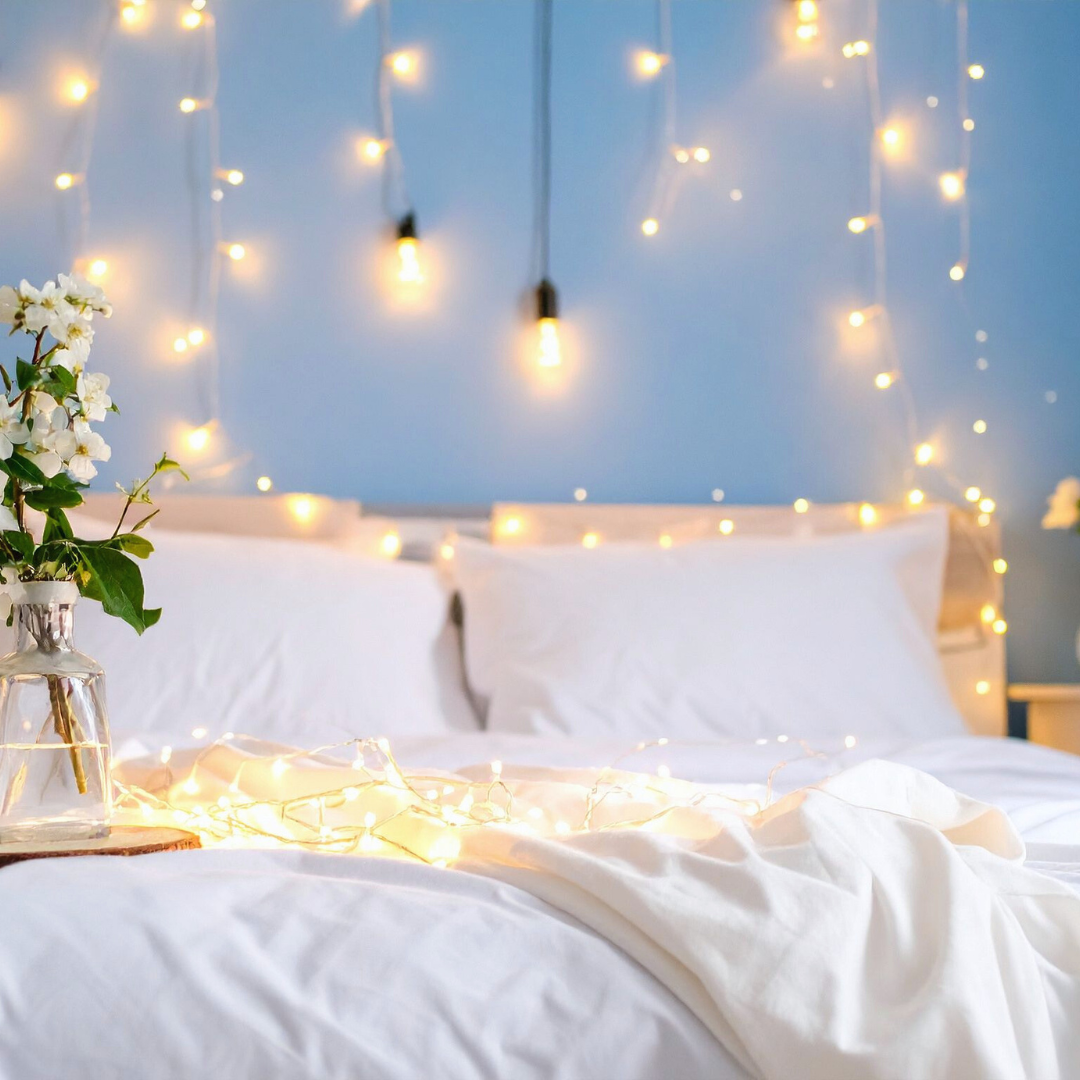
Fairy lights and string lights add subtle charm and can be draped around mirrors, shelves, or headboards. These lights serve both decorative and practical purposes, offering gentle illumination without overpowering the room.
Backlit mirrors deliver functional lighting ideal for bathrooms, enhancing facial visibility while adding a modern touch. Accent lights highlight architectural features, artwork, and textured walls, adding depth to the room’s design.
Creative solutions such as colour-changing LED strips allow users to alter the atmosphere to match occasions. Thoughtful placement of these elements transforms everyday spaces into personalised, engaging environments.