
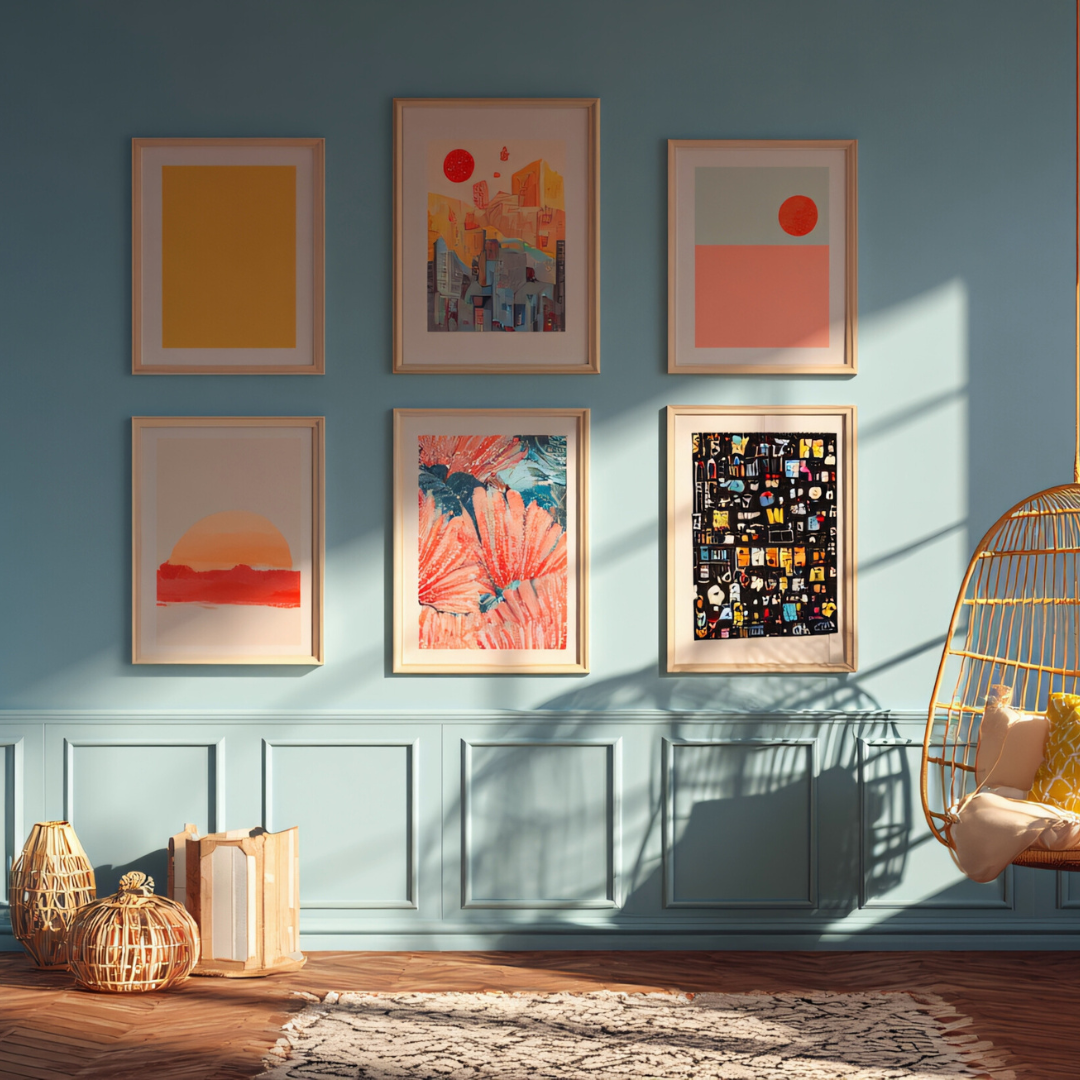

Blank walls can make a room feel dull and uninviting, but updating them doesn’t have to be expensive or complicated. Simple, budget-friendly ideas like removable wallpaper, framed prints, or DIY art can dramatically change the look of a space without breaking the bank.
Many people underestimate how effective small changes can be in refreshing a room’s atmosphere. Whether it’s adding shelves for plants or using fabric to create texture, there are plenty of affordable options to suit any style or skill level.
This post explores practical ways to transform blank walls with minimal cost, helping readers make a noticeable impact on their interiors while staying within their budget.
Creative Budget-Friendly Wall Decor Ideas
Transforming empty walls can be simple and cost-effective with a few practical techniques. Using versatile materials and clever layouts can create stylish, personalised spaces without overspending.
Gallery Walls for Maximum Impact
Gallery walls are a popular way to add personality without high costs. By grouping various frames and artworks, a cohesive look is achieved, maximising visual interest on large empty walls.
He or she can mix photos, prints, and small decorative objects within matching or contrasting frames. Laying out the arrangement on the floor first helps plan spacing and alignment.
To save money, sourcing frames from charity shops or discount stores adds uniqueness. Swapping inexpensive prints regularly refreshes the wall without further investment.
DIY Wall Art and Abstract Projects
DIY wall art allows complete creative control using affordable materials like canvas, paint, and stencils. Abstract projects using simple geometric shapes or colour blocking suit those wanting modern styles.
Creating textured pieces with layered paint or mixed media introduces depth while keeping costs low. Tutorials available online guide beginners through techniques for professional-looking results.
Even using everyday items like fabric scraps or paper cutouts can generate compelling designs. These custom pieces ensure individuality and prevent generic mass-produced wall decor.
Incorporating Floating Shelves
Floating shelves serve dual functions: practical storage and decorative display. Mounting simple wooden or metal shelves on blank walls adds dimension and utility.
They offer space for plants, books, or small art pieces, enhancing wall decor without clutter. Selecting lightweight, inexpensive shelves simplifies installation and maximises budget efficiency.
Arranging shelves asymmetrically adds visual appeal. Rotating items seasonally keeps the look fresh while using the same structure. This method fits various interior styles from minimalist to rustic.
Accentuating with String Lights
String lights provide ambient illumination and decorative flair at a low cost. Draped along or around walls, they create warmth and highlight existing wall decor features.
Choosing battery-operated or plug-in options depends on placement flexibility. Clear, warm white, or coloured bulbs suit different moods and themes.
Integrating string lights into gallery walls or above floating shelves accentuates the display without overpowering. They are easy to install and move, offering a simple upgrade to blank, dull walls.
Textile and Fabric Solutions for Blank Walls
Textiles offer accessible ways to add texture, colour, and pattern to plain walls. They can be reused, customised, and positioned flexibly, making them ideal for budget-friendly decoration. Different techniques and materials suit varied tastes and space constraints.
Fabric Wall Hangings and Tapestries
Fabric wall hangings and tapestries are versatile décor options that introduce warmth and personality to empty walls. They come in various sizes and styles, from large, intricate designs to minimalistic patterns. Cotton and linen are durable, affordable fabrics commonly used.
Hanging these textiles can be done with rods, clips, or adhesive hooks, avoiding damage to the wall. They provide sound insulation and can cover imperfections effectively. Choosing patterns that complement existing furniture creates cohesion in the room’s design.
Macramé and Handcrafted Textile Art
Macramé uses simple knotting techniques to create decorative wall pieces. It is inexpensive as it only requires a cord and a rod or dowel for hanging. The natural fibres like cotton or jute give a rustic, organic feel.
Handcrafted textile art offers unique, personalised wall décor. Small-scale craft markets or online platforms provide affordable options. These pieces often incorporate mixed fibres and beads, adding dimension without bulk. DIY kits can also guide beginners.
Using Leftover Materials Creatively
Leftover fabric scraps can be repurposed into patchwork wall hangings or framed fabric art. This approach reduces waste and cuts costs. Sewing or glueing multiple small pieces onto a sturdy backing board yields original, textured panels.
Simple frames or embroidery hoops can showcase fabric sections attractively. Even fabric-covered cork boards serve a dual purpose: decorative and functional, holding notes or photos. This method allows flexibility in design and easy updating.
Personalised and Functional Wall Features
Adding personal touches and practical elements can turn empty walls into meaningful and useful spaces. Thoughtful choices in display, colour, and accessories create warmth while maximising wall utility.
Displaying Family Photos and Memories
Family photos provide a direct way to personalise a room. A gallery wall using matching frames keeps the display neat and visually cohesive. Choosing black and white photos can add a classic, uniform look without overwhelming the space.
Photos can be arranged symmetrically or in an organic pattern, depending on the desired style. Incorporating shelves or ledges allows for easy rotation of pictures and other keepsakes. Using budget-friendly printing services or DIY framing methods keeps costs low.
Creating Accent Walls with Colour and Wallpaper
An accent wall adds depth and character to a room, especially when the rest of the space is neutral. Choosing one wall to paint in a bold colour or applying patterned wallpaper creates a focal point without requiring expensive renovations.
Cost-effective wallpaper options include peel-and-stick varieties, which are easier to apply and remove. When selecting colours, consider tones that complement existing room décor. Painting a textured or patterned wall also adds interest while staying budget-conscious.
Utilising Mirrors and Vintage Finds
Mirrors reflect light and create the illusion of space, making them ideal for smaller rooms. They can be hung singly or grouped in clusters to form a functional and decorative feature on blank walls.
Vintage items like old window frames, shutters, or artwork bring character and uniqueness. Sourcing from charity shops or markets can be affordable. Combining mirrors with vintage pieces can enhance wall decor without cluttering rooms.