

Damp and mould are common problems in many homes, causing damage and health issues if left unchecked. Preventing them starts with controlling moisture levels and improving ventilation in key areas of the house.
Simple actions like using extractor fans, drying clothes outside, and regularly airing rooms can significantly reduce the risk of damp and mould. These measures help maintain a dry environment, where mould needs to grow.
Understanding how moisture builds up and where it collects allows homeowners to take practical steps. With consistent effort, it is possible to keep living spaces healthy and free from damp-related problems.
Recognising Signs of Damp and Mould
Damp and mould create visible damage and subtle changes in a home’s environment. Identifying the types of damp and understanding related health issues is vital for timely action and prevention.
Common Indicators in the Home
Typical signs include damp patches on walls or ceilings, often dark and spread unevenly. Areas behind peeling wallpaper or bubbling paint commonly indicate moisture buildup. A persistent musty smell is a strong clue, even if damage is not immediately visible.
You might also notice black or green mildew spots around window sills, bathrooms, and poorly ventilated rooms. These are often mould spores thriving in damp conditions. Early detection is key to preventing further spread.
Health Risks Associated with Damp and Mould
Exposure to mould spores can trigger respiratory problems like wheezing and coughing, especially in children or people with pre-existing conditions. Many also develop allergies to mould, causing sneezing, itchy eyes, and skin irritation.
Prolonged damp environments worsen asthma and other lung diseases by increasing airborne mould spores. Vulnerable groups, such as the elderly, should be particularly cautious about signs of mould to avoid health complications.
Types of Damp
There are three main types of damp that cause mould: rising damp, penetrating damp, and condensation. Rising damp occurs when moisture from the ground travels upward through walls due to a failed damp-proof course.
Penetrating damp results from water entering through defects in external walls, such as cracks or damaged gutters. Condensation is caused by indoor moisture build-up, especially in poorly ventilated areas, leading to damp patches and visible mould on surfaces.
Distinguishing these types helps in applying the correct repair method and controlling damp effectively.
Fundamental Strategies to Prevent Damp and Mould
Effective prevention of damp and mould requires managing moisture sources, ensuring good air circulation, and dealing with condensation where it forms. Focusing on these areas helps maintain a dry, healthy home environment.
Reducing Indoor Moisture Levels
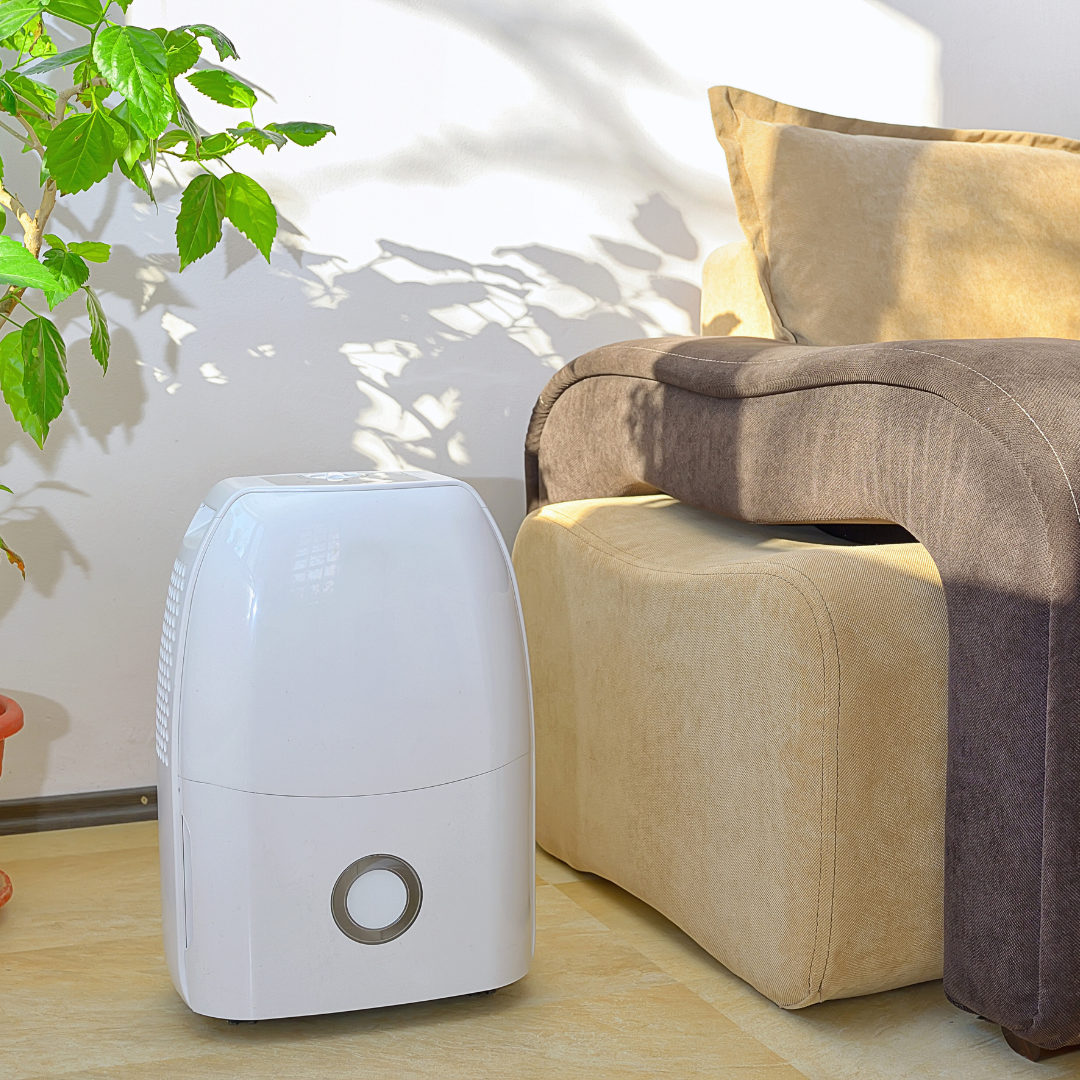
Moisture inside a home mainly comes from daily activities like cooking, washing, and drying clothes indoors. Using dehumidifiers can help lower indoor humidity to below 60%, which significantly reduces the risk of mould growth.
Fixing leaks in pipes, roofs, or windows is crucial, as even small water ingress points can cause damp patches. Installing insulation, such as cavity wall insulation, prevents cold surfaces where moisture can condense, thus stopping damp from settling on walls.
Improving Ventilation
Good ventilation removes excess moisture and stale air. Installing extractor fans in bathrooms and kitchens is one of the most effective ways to vent humid air outdoors.
Opening windows regularly, especially when cooking or showering, helps air circulate and reduces humidity. In colder months, controlled ventilation avoids trapping damp air without losing heat unnecessarily.
Controlling Condensation
Condensation forms when warm, moist air meets cold surfaces like single-glazed windows or poorly insulated walls. Double glazing helps, but must be combined with other measures.
Keeping room temperatures consistent and airing rooms daily reduces condensation risks. Using moisture absorbers or placing dehumidifiers near cold spots further prevents water droplets from forming, stopping mould from developing on surfaces.
Effective Home Maintenance and Repairs
Maintaining a dry home requires ongoing attention to both the fabric of the building and potential weak points where moisture can enter. Regular maintenance, timely repairs, and the right damp-proofing methods are essential to keep damp and mould at bay.
Addressing Structural Issues
Structural problems such as cracks in walls, damaged roof tiles, or faulty guttering are common causes of penetrating damp. These allow water to seep into the building, encouraging mould growth.
It is important to inspect and repair wall cracks, replace missing or broken roof tiles, and ensure gutters and downpipes are clear of debris. Water should drain away from the property efficiently to prevent rising damp, which is often the result of failed or missing damp-proof courses (DPC).
Installing or repairing a damp-proof course and sealing external walls can prevent ground moisture from climbing up the walls. If rising damp is suspected, a professional damp survey can identify the extent of the problem and recommend effective solutions.
Routine Checks and Damp-Proofing Solutions
Homeowners should conduct frequent inspections of vulnerable areas such as basements, bathrooms, and kitchens. These places are prone to high moisture and condensation.
Checking ventilation systems and ensuring extractor fans work properly reduces internal humidity. Using dehumidifiers in rooms with poor airflow can also help maintain low moisture levels.
Damp-proofing includes applying water-repellent coatings to external walls, repairing mortar joints, and installing cavity wall insulation with damp-resistant materials. These steps support the prevention of both penetrating and rising damp in the long term.
When to Seek Professional Help
Persistent damp problems or extensive mould require expert assessment. A professional damp survey will identify whether damp is caused by rising damp, penetrating damp, or condensation.
Specialists can recommend tailored treatments such as chemical DPC injection, tanking walls, or advanced ventilation systems. Attempting to fix serious damp issues without proper advice can lead to wasted effort or increased damage.
If a homeowner notices recurring damp patches, peeling paint, or musty smells despite maintenance work, consulting a damp-proofing expert is strongly advised. Early intervention reduces repair costs and improves home safety.
Long-Term Habits for a Mould-Free Home
Maintaining low moisture levels and regular home upkeep are essential to prevent mould growth. Consistent attention to ventilation and cleaning routines reduces the risk of mildew and damp.
Everyday Lifestyle Adjustments
Regularly opening windows to improve airflow lowers indoor moisture. Using extractor fans in kitchens and bathrooms during and after cooking or showering helps expel humid air. Running a dehumidifier in damp areas also controls moisture.
Wiping down windowsills and walls where condensation forms stops mould spores from settling. Avoid drying clothes indoors unless a heat source and ventilation minimise moisture buildup. Keeping furniture slightly away from walls allows air circulation, reducing damp spots.
Safe Mould Removal Practices
Small patches of mould should be cleaned immediately using gloves and a mask to avoid inhaling spores. A solution of water and detergent or specialised mould remover effectively clears mildew.
Avoid using bleach on porous surfaces, which can trap moisture and worsen the problem. For larger infestations, professional removal is advised. After cleaning, ensure surfaces are dry thoroughly, and maintain ventilation to prevent recurrence.